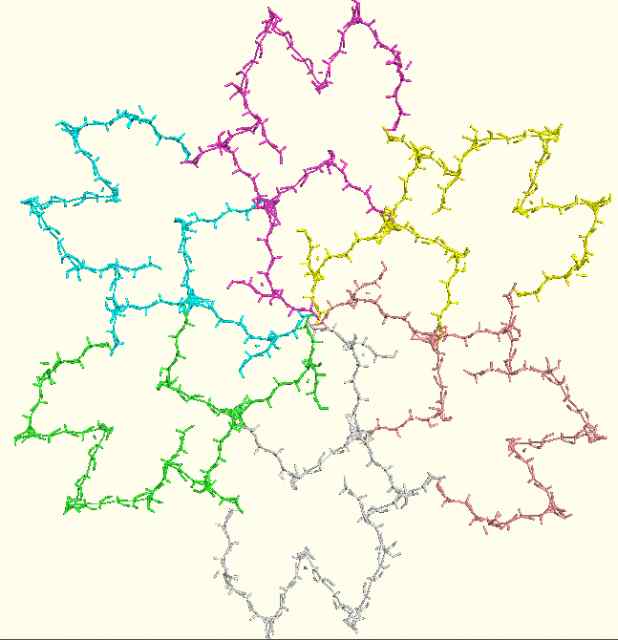
Polyphenols are a large family of naturally occurring compounds found in plants with two or more aromatic rings bearing one or more OH groups. They are divided into four main subclasses:
Flavonoids : Quercetin (onions), catechin (tea), anthocyanins and kaempferol (Onions, berries, tea, dark chocolate)
Phenolic acids: Caffeic acid, ferulic acid, ellagic acid, chlorogenic acid (coffee), nuts)
Stillbenes: Resveratrol (red wine and grapes)
Lignans: Enterodiol, Enterolactone. (whole wheat, seasame, flaxseeds)
Different foods contain a variety of these in various amounts and they have various effects on human physiology. One major effect has been the beneficial effect on the cardiovascular system – from reducing blood pressure by nitric acid availability to down regulation of Nf-KB to reduce cytokine production. They also show an inhibition of a-glycosidase and a-amylase. These enzymes break down carbohydrates to glucase and hence polyphenols modulate the glucose pathway. Though there are very low probabilities of adverse effects, it is possible that very high doses of polyphenols make cause gastrointestinal discomfort and cause alteration of the CYP450 enzymes which in turn may affect the metabolism of drugs such as anti-epileptics or anti-coagulants. In the gut, the metabolism of polyphenols is thought to transform them into bioactive metabolites.
Polyphenols also have a function in plants – they protect the plants from UV, deter pathogens and herbivores and can act as antioxidants for plant cells similar to human physiology by neutralizing free radicals