Learning Biology is an evolving process. The science keeps changing towards a greater understanding and sometimes the conclusions that were drawn are not always right. For example, blood letting or bleeding a person used to be the treatment for some diseases. That was an acceptable form of treatment but now we wonder as to what led to those conclusions? It is difficult to be just 100% right all the time. When a scientist makes a specific theory, it is based upon the data that is available at that time. If that data changes over the period or some new information comes in then the theory has to change. As scientists, we beat ourselves up on being right 100% of the time and if that is what we aim for then it would be impossible to conclude anything and we would just want to be quiet and live in a cave without concluding anything. However, the good scientists try’s to find the interesting (which may also vary) things in the world and work on them. There is another catch here: if they work on something that is just “cool” and has a lot of other scientists working on them, then there will be no differentiator. A good scientist will try to discover and work on interesting things to work on that are interesting to them and are cool but is the kind of thing that no one is paying much attention to…
Similar Posts
Reinforcement learning
Reinforcement learning is a method that drives learning and memory in primitive species such as birds, humans and other living species to its use in machine learning. It is used to influence the behavior of us humans on social media to its use to train machines. The essential components were initiated by BF Skinner 20th…
Bile duct cancer
Bile duct cancer or cholangiocarcinoma, (CCA) is a rare cancer with an incidence of ~3 cases per 100,000 with 10,000 new case diagnosed annually. It is about 10-20% of liver cancers. Interestingly, in Thailand, and some south east asian countries, the incidence is nearly 10 fold higher due to liver fluke infections (Opisthorchis viverrini and…
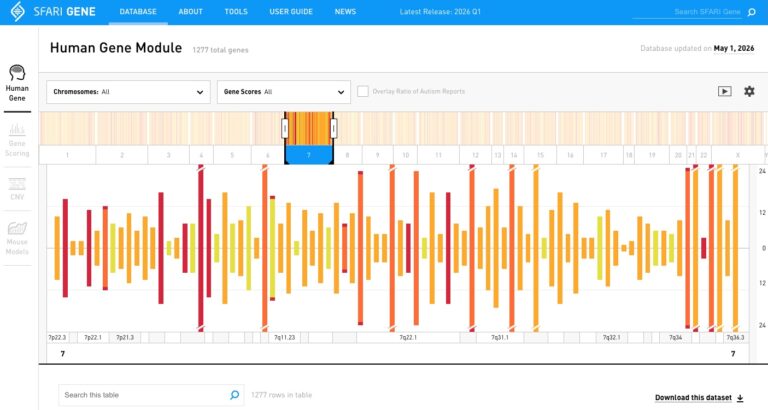
Autism Gene Browser
There are many foundations for rare disease and each try to accomplish development of drug’s for their rare disease. There are many steps involved in drug development and a critical feature is to make the science understandable and accessible so that scientists can understand the disease but also the possibility of coming up with a…
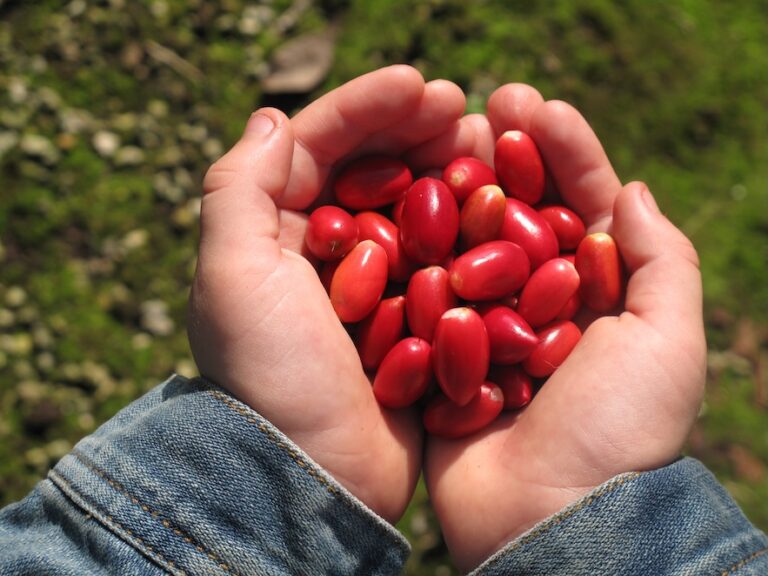
Protein function alters taste
There have been many instances where we believe what we see or taste or hear. That belief forms our existence on what is “real”. Sometimes, when that distorts, it can change our perception. This is not about psychedelic substances but in fact a small protein called miraculin. It is 24.6 kDa protein that is a…
Molecularly imprinted polymers
This is an approach to design polymers that recognize materials which may be of biological origin. Their advantage is their high selectivity and affinity for the target molecule. The high level view of the process to create such a polymer is relatively simple though the devil may be in the details. In the presence of…
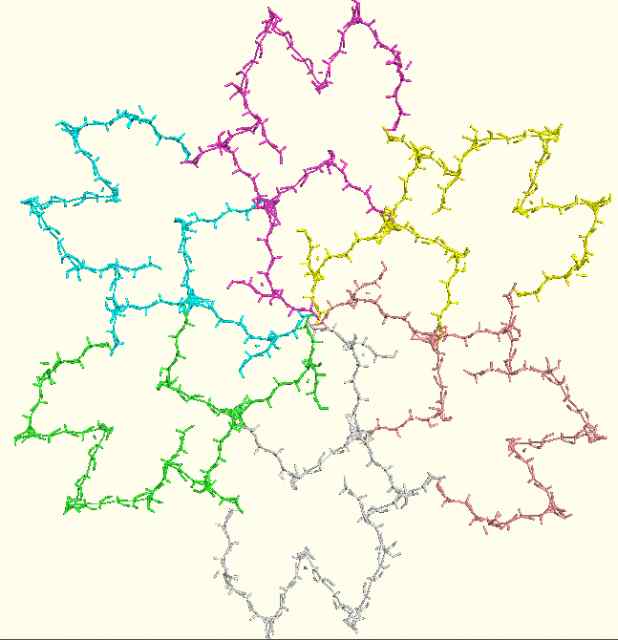
Games can help science – Foldit
People spend a significant amount of time playing games and solving puzzles. It has always been argued that there must be some benefit that could be derived from the endeavors. Many man-hours, computer computation and power go into playing games. Obviously, they serve some physiological and psychological functions since so many people continue playing games….