| | | |

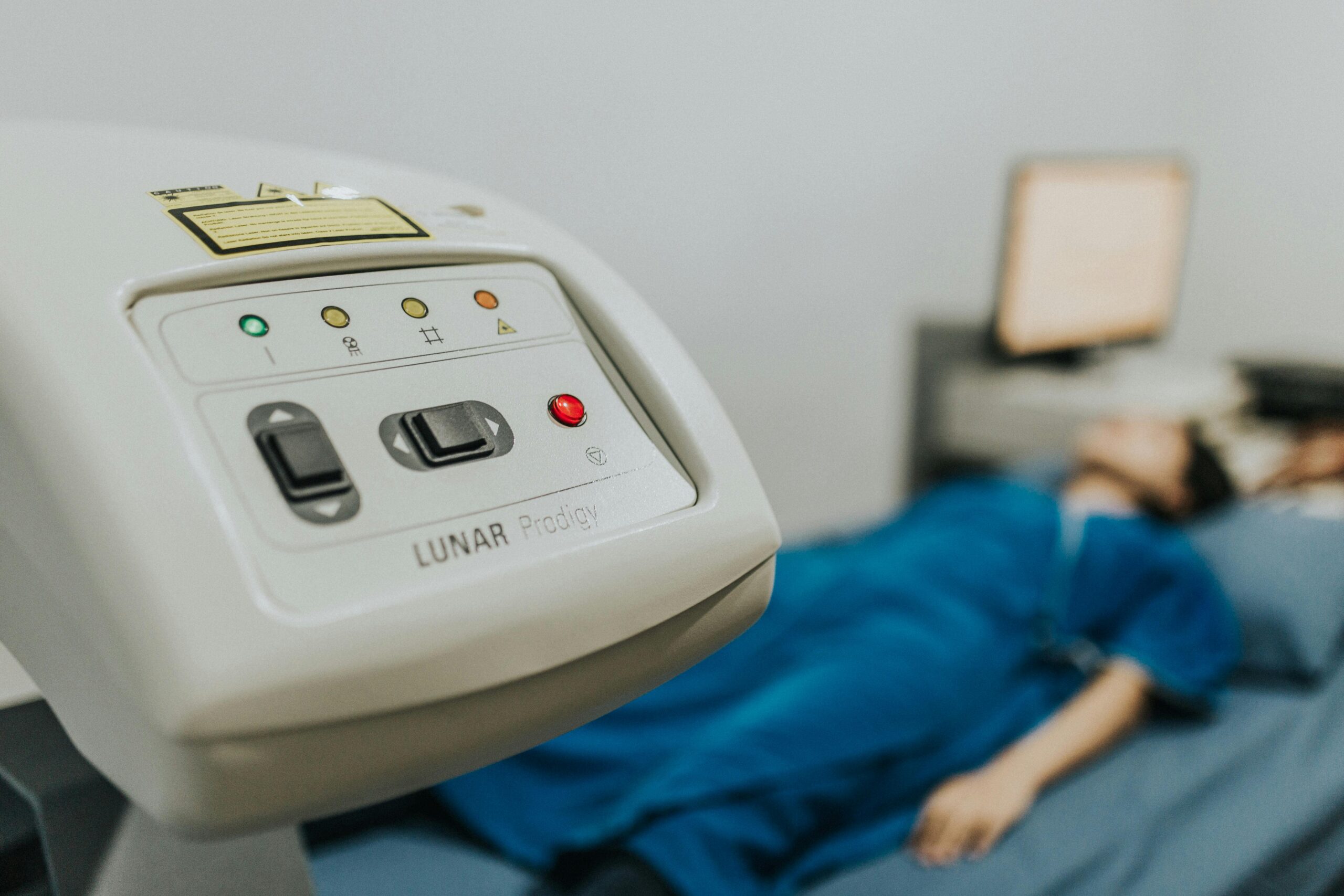
Positron Emission Tomorgraphy

Medical examination setting with patient lying on bed, focus on healthcare device.

PET is used in drug discovery:

  • Drug PK through isotopic substitution can be easily done, microdosing studies, target engagement studies, drug drug interaction, drug delivery.

PET in patient selection

  • Amyloid and Tau PET can help select patients
  • Cancer staging and treatment allocation
  • Targeted therapies
  • Cardiac Evaluation

Process:

Cyclotron is used, chemistry and formulation and then imaging and analysis.

PET

Takes time to make the probe:

20 mins to make the probe

For brain usually short half life is used – Carbon 11 – 20 minutes, Fluorine 18 109 minutes, Nitrogen 13 10 minutes, Oxygen 15 (2 min)

60 minutes for chemistry

Chemistry for Carbon usually goes through 11CO2 – carbon dioxide.

Scan would take about 90 minutes.

2 Kinds of probe:

Receptor based – Raclopride – D2 receptors

FDG – Glucose metabolism

About 40 targets are available.

There is potential for ML/AI models for CNS – PET agent development

Most PET traces fail due to non-specific binding.

Monkey scans are usually used to see target engagement as well as drug treatment response.

Website : https://www.nimh.nih.gov/research/research-funded-by-nimh/therapeutics/cns-radiotracer-table
Similar Posts

  • Foods and toxicity

    Humans have a fascination of eating food that has toxic components. One particular one that is unique to Jamaica and Africa is the Ackee fruit (Blighia sapida). The unripe food contains toxins called hypogylcin A & B. This is present mainly in the seed and the skin of the fruit but if consumed then it…

  • Polyphenols

    Polyphenols are a large family of naturally occurring compounds found in plants with two or more aromatic rings bearing one or more OH groups. They are divided into four main subclasses: Flavonoids : Quercetin (onions), catechin (tea), anthocyanins and kaempferol (Onions, berries, tea, dark chocolate) Phenolic acids: Caffeic acid, ferulic acid, ellagic acid, chlorogenic acid…

  • | |

    Hypertension

    There are many therapies for regulating high blood pressure. The one that has received some attention is the natural therapy by consumption of beet in various forms. Juice, raw, tablets, and cooked. The primary benefit appears to be conferred by the presence of nitrates, which enhance the amount of Nitric oxide present in blood and…

  • |

    Engaging website

    There are many ways that websites show their landing pages. Usually there are a lot of graphics. The Harvard innovation lab does it wonderfully with their landing page for one of their challenges showing particles which are responsive to mouse movement. Very dynamic and very intriguing! https://innovationlabs.harvard.edu/presidents-innovation-challenge/finalists The developer’s console tells you a bit about…

  • Image based Phenotypic screening

    When screening for phenotypes there are many methods that are used. Usin’Life uses artificial intelligence methods to analyze the image data sets but there have other laboratories that use other interesting methods. Dr Lu’s lab published a paper in Nature methods (Nat. Methods 9, 977–980, 2012) that uses microfluidic technology to determine the phenotypic characteristics…

  • |

    3D Anatomy

    There are so many ways to visualize complex data AND understand it at the same time. However, this has been done for many years for complex data using diagrams.A typical place this has done many times has been anatomy. These diagrams present the views from different viewpoints and these then create the understanding of the…