How does a hospital measure the acuity of an illness? Acuity is defined loosely as the severity of an illness. The more severe an illness or malady is the more attention it deserves. For example, chest pain is critical and deserves attention vs. flu like symptoms do not deserve as much attention. A doctor in an emergency room creates a triage that separates the patients based on the disease. But, the physician can also and almost always measure the acuity of any disease and make a decision in resources and response to treat the disease. This seems like a very judgmental and individual case by case decision point. However, some condition may be more defined. For example, a flu like symptoms accompanied by very high fever and in a child, makes this more urgent than very general flu like symptoms.
In the extreme case, a high acuity illness may lead to death and the number of patients dying with the disease may serve as a good measure of acuity.
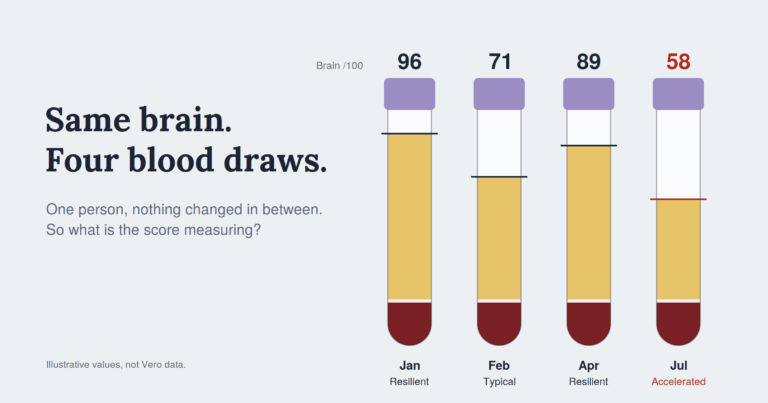
It would be good to have defined set of measures that would rate every illness on a scale, but that is difficult due to various reasons. The stage of the disease may be different, the patients also are also unique individuals, and the doctor’s assessment is typically not very quantifiable. One way around this is to come up with clinical outcome measures that can be quantified, so that at least the symptom can be measured accurately. One example, this is done accurately is to measure the temperature – which is an exact number – the heart rate or blood pressure. But there are so many other conditions that are not measured as well -for example if the patient comments that they are feeling “weak” then the doctor’s just make a note of it and write it in their records.
As a biomarker, an accurate measure of weakness or other symptoms is one of the things that Usin’Life is working on to come up with accurate assessments of acuity of the disease.
We hope that these measurements will go into Electronic health records (EHR) as accurate representations of the disease that would help in measurement of the acuity of the disease and ultimately, the accurate diagnosis and treatment of the disease.