
Multi-cancer early detection

A pink ribbon surrounded by laboratory glassware symbolizes breast cancer research and awareness.

There have been so many multi-cancer early detection tests coming on the market and the users are generally not aware of them – each of them have a different capability and strengths.
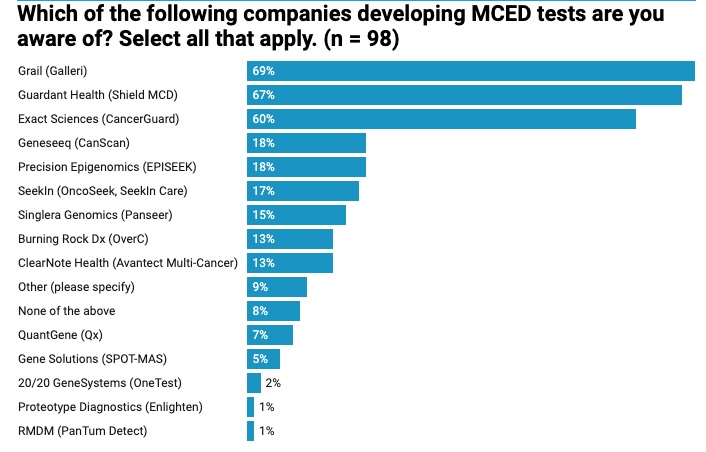
Genomeweb had done a survey of what are the tests available and how they are perceived. Look at the survey at : https://www.genomeweb.com/cancer/genomeweb-survey-enthusiasm-mced-tests-research-and-clinical-care-despite-evidence-caveats

To adopt this most participants asked for more data.
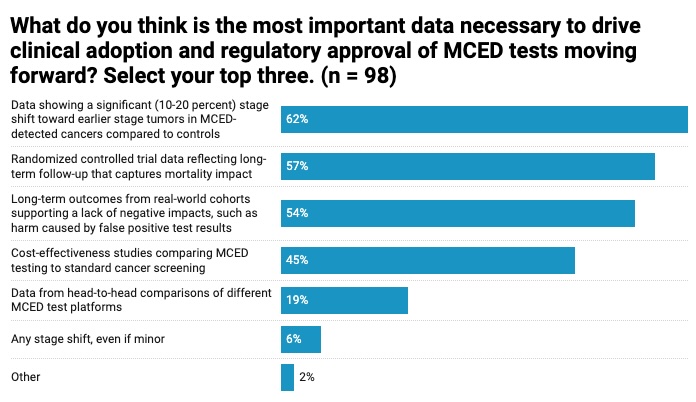
One point to note is the barriers to adoption of these tests mention – lack of established diagnostic confirmatory protocols for doctors to pursue, false positives and lack of data for mortality benefit but not much in terms of cost.

Similar Posts

  • |

    Default mode network

    When we are not focused on a task, mind-wandering or just idling, specific regions of the brain such as medial pre frontal cortex, angular gyrus, hippocampus become activated and are called the default mode network. This is thought to be important for self referential thought, memory and future planning. It has been mapped with resting…

  • | |

    Relaxin

    Relaxin is a 6kd 2 chain peptide hormone produced by ovary and placenta in females tha help remodel connective tissue but also promotes vasodilation and has cardioprotective and renoprotective effects in animal model via Nitric oxide pathway. Relaxin-2 signaling via GPCR RXFP1 has been investigated as a drug for its antifibrotic and vasodilatory actions. RXFP1…

  • Prioritizing biomarkers

    When there are multiple biomarkers in a therapeutic study, how do you prioritize which one to use. One possibility is to use specific criteria. The easiest one of them is to select one that gives you the best signal/noise. A strong signal for your efficacy marker will enable you to detect small changes in the…

  • Filtering bacteria

    Multi Drug resistance to bacteria is a problem since bacteria continue dividing in blood causing sepsis that cannot be controlled by antibiotics and ultimately causing death. There have been multiple methods that have been proposed. A unique method has been published in Nature that incorporates “filtering” blood to remove the bacteria.Blood flows very rapidly through…