|

Biomarkers in Inflammatory bowel disease with antibody therapy

Two types of inflammatory bowel disease, Ulcerative colitis and Crohn’s disease. A challenge in IBD development is that many drugs show systemic PK and PD but fail in the intestinal mucosa. Most companies focus on Ulcerative colitis due to a) homogenous biology, b) access to tissue, c) established endpoints and d) lower variability in translational biomarkers. The plan is a biopsy based structure showing antibody target engagement that normalizes inflammation in colon and complements molecular mucosal healing signature while matching or preceding clinical efficacy.
It rests on 4 pillars:


1. Tissue exposure:
◦ Question: Does antibody reach the mucosa, how much of it reaches target cells and how long is the exposure?
◦ Comments: Need Tissue PK, also look for ADA


2. Target engagement:
◦ Question: What is target/receptor occupancy for ligand suppression and downstream signaling.
◦ Comments: Receptor for occupancy (IL23R, TL1A), Pathway – (INFy, TNF, fibrosis)


3. Mucosal repair:
◦ Question: Epithelial regeneration, barrier restoration, tight junction recovery, goblet cell normalization?
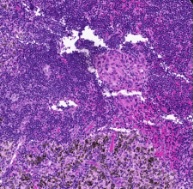
◦ Comments: Need IHC spatial biology platform for biopsy through sigmoidoscopy. Measure genes for Barrier function (CLDN1/4), epithelial regeneration (KRT20, EPCAM). Add: Neutrophil reduction, T-cell activity, macrophages and cytokines


4. Responder analysis:
◦ Question: Who responds to treatment as measured by transcriptomics, spatial biology and Proteomics
◦ Comment: Will need these later in development. Key question: does the antibody accelerate repair of inflamed mucosa as compared to current therapies?


Execution through: Histology, Paired biopsies, IHC, Spatial proteomics, LC-MS analysis. For bi/tri-specific antibody need to measure multiple pathways. Add standard measures: Geboes score, Roberts Histopath index, Nancy index, Calprotectin, lactoferrin.
Similar Posts

  • Primary cells for assays – human induced pluripotent stem cells (iPSC)

    Biological assays are typically done on cell lines. However, many of the cell lines are so different from the cell systems that are encountered in real life, or in vivo that the results can often be flawed. To be perfectly physiological, scientists use primary human cells harvested from patients are cadavers. These are great systems…

  • Synthetic biology

    The term is more complex than the function! Synthetic biology implies control of biological circuits through a control mechanism. Wikipedia calls it “redesign of existing biological systems for useful purposes”. This combines biology and engineering and the differentiator between yeast based beer making might be the control systems that are built in the system by…

  • |

    Alzhiemer’s psychosis

    Alzheimer’s psychosis is distinct from the slow progression of Alzheimer’s and indicates a more severe phenotype in which cognitive decline starts even before psychosis onset. It is thought to originate/localized in neocortex rather than medial temporal lobe. There is currently only one drug that targets Alzheimer’s psychosis. It is called Rexulti (Brexipipazole). It is specifically…

  • |

    Sequencing

    It is amazing how good genetic sequencing is getting these days and reasonable enough to get 30x whole genome sequence that enables detailed analysis for a variety of conditions. The costs are so low that it is now possible for almost everyone to do it and also analyze the data. One provider with a catchy…

  • |

    Green caviar

    Green caviar Near Okinawa in japan, which in known for people who live longer than many other people a unique food is eaten. These are small orbs that look like grapes and are eaten raw. They are actually a species of seaweed. This is know as green caviar and is eaten on top of almost…

  • Polyphenols

    Polyphenols are a large family of naturally occurring compounds found in plants with two or more aromatic rings bearing one or more OH groups. They are divided into four main subclasses: Flavonoids : Quercetin (onions), catechin (tea), anthocyanins and kaempferol (Onions, berries, tea, dark chocolate) Phenolic acids: Caffeic acid, ferulic acid, ellagic acid, chlorogenic acid…