Protein function alters taste

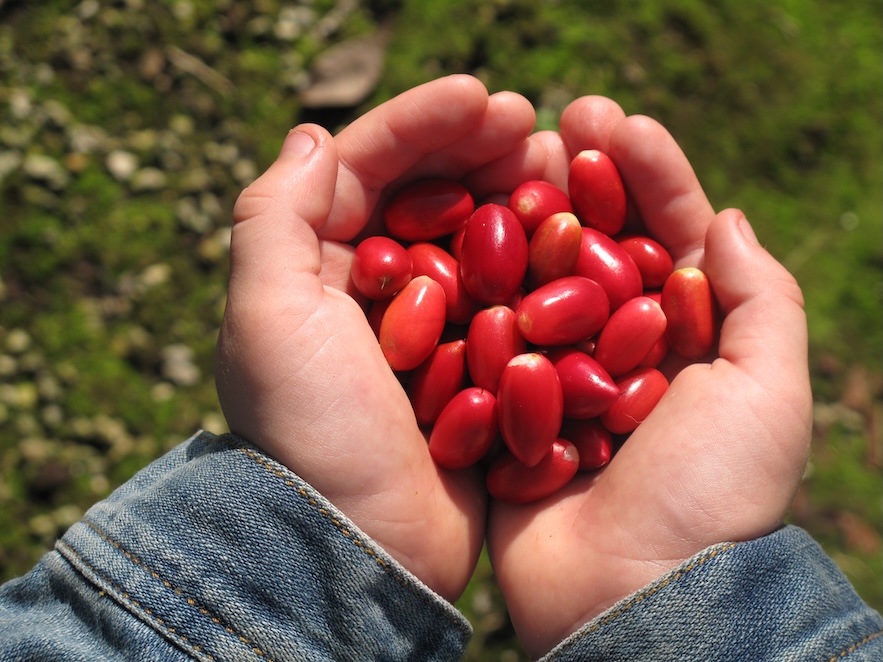
There have been many instances where we believe what we see or taste or hear. That belief forms our existence on what is “real”. Sometimes, when that distorts, it can change our perception. This is not about psychedelic substances but in fact a small protein called miraculin. It is 24.6 kDa protein that is a dimer or tetramer. This is found in a berry plant called “Synsepalum dulcificum” or Miracle fruit. They taste like cranberries but they can alter the taste of sour to taste like sweet. Miraculin binds to sweet receptor and acts as an antagonist but at low pH it changes to become a sweet receptor agonist. So while it is bound on the receptor almost everything acidic would taste sweet.

This could be used to make soda’s that taste sweet for diabetics or give them a taste of sweet without sugar.

So if you want to make lemonade when life gives you lemons try “flavor-tripping” or perhaps enjoy cheese as cheese-cake.

This protein has been cloned into lettuce and tomato, so imagine eating differently tasting vegetables and increasing the salad repertoire.

If our receptors can be fooled by a small protein, wondering what other receptors in our gastrointestinal system also change our perception and digestion?

See the protein here: https://www.rcsb.org/structure/3IIR
Similar Posts

  • Synthetic biology

    The term is more complex than the function! Synthetic biology implies control of biological circuits through a control mechanism. Wikipedia calls it “redesign of existing biological systems for useful purposes”. This combines biology and engineering and the differentiator between yeast based beer making might be the control systems that are built in the system by…

  • Polyphenols

    Polyphenols are a large family of naturally occurring compounds found in plants with two or more aromatic rings bearing one or more OH groups. They are divided into four main subclasses: Flavonoids : Quercetin (onions), catechin (tea), anthocyanins and kaempferol (Onions, berries, tea, dark chocolate) Phenolic acids: Caffeic acid, ferulic acid, ellagic acid, chlorogenic acid…

  • Synthetic biology – fungus

    The word fungus does not conjure up pleasant memories to most. This has negative implications though mushrooms are a group of mycelial aggregates too. They form an important degradation pathway in nature and are important for recycling much of the heavy plant material. Fungus has not been a major part of producing anything relevant but…

  • |

    Muscarinic drugs and receptors

    There are many G-protein coupled receptors and one of the major categories for neurological drug development are called muscarinic receptors because they were first known to be activated by a mushroom alkaloid called muscarine. The isolation and characterization of muscarine was first reported by chemists in 1869! Muscarine works by mimicking the neurotransmitter acteylcholine on…