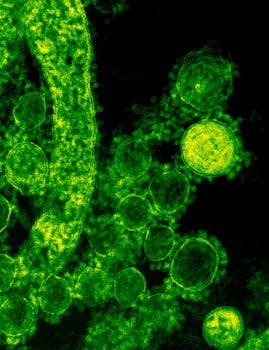
Dr Claudia Gravekamp from the Albert Einstein College of Medicine is exploring the treatment of cancer with bacteria after she observed that the bacteria, Listeria monocytogenes, seemed to be concentrating near the area of tumor.
Tumor targeting of drugs or radiation is a very big issue. Currently, there are several drugs that attack cancer cells but they are also potent for normal cells. If the treatment can be targeted specifically towards the tumor cells then the treatment would be more effective. Dr Gravekamp intends to use the bacteria for targeting the tumor.
Typically, bacteria are rapidly cleared by the immune system. However, in cancer patients, the immune system appears to be suppressed around the area of the tumor and hence bacteria that would normally be cleared now can survive and divide in the region around the tumor. By labeling the bacteria with radioactive rhenium it is possible to irradiate the tumor with these targeting bacteria. Interestingly, these bacteria are not affected by rhenium but the cancer cells are killed by the radiation. Thus, it makes it possible to selectively irradiate tumor cells and kill them.
As a additional consequence, if the tumor cells change by the radiation, it is possible that they will lose their immuno-suppressive effect and thus be susceptible to the immune system. However, there are several unknowns – what is the consequence of having lethal bacteria in the body? Liver and Kidneys show toxicity from the processing of metabolites of the dead bacteria but also having these bacteria in circulation may cause other unknown effects in an immune-compromised cancer patient.