Face recognition technology has come a long way. The technology now enables the specific association of the face with a name and thus confirmed identification. The technology of recognition is very complex and requires not only significant image processing of the face to identify features of interest but also then matching the features with those in the database of the known features. This seems amazing since it is possible that we look different with different facial hair, glasses on the face or a different style of haircut and a different makeup. The problem is easier to target if it has a finite database of faces that it has to compare – if you are one of the 100 in the database then the computer has an easier time to recognize you.
The face recognition is possible because the computation required to do the comparison can be done in the cloud – which is a distributed network of computers that are working on the same problem.
Now how does that relate to Biomarkers?
A company has utilized the face recognition or pattern recognition technology to group characteristics of faces into specific disease classes. For example, see the picture of 2 Down syndrome children – these have a specific characteristic that we as humans can distinguish. And if the computers can now detect such a characteristic then they will be able to diagnose disease. The face then becomes the Biomarker of disease.
The implications are immense. Now, the diagnosis of SOME diseases can be made just be taking a picture of the face. This is probably important in some genetic or metabolic disorders where the diagnosis of an unknown condition has proven difficult. Imagine a parent being told that “Your child is not normal and we do not understand the condition”. It is probably equally difficult if the condition has been misdiagnosed. The diagnosis convenience is its positive feature and the diagnosis may even be instantaneous as the computers look up a database and associate it with a disorder with some xx% probability.
The company has also created an app that enables subjects to take a picture and then allow the clinician to lookup the database of patients with similar characteristics.
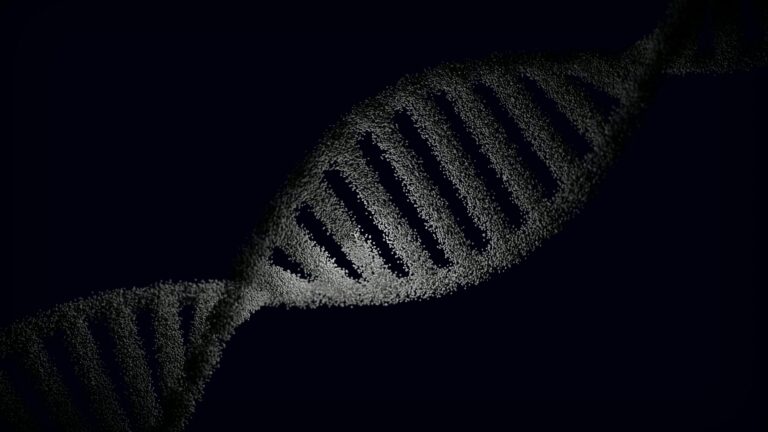
However, there are limitations too. This helps in finding the rare disorder by finding characteristics of facial features that change as the child grows up and so children may be slightly different than adults. The other issue is that the face is not a typical biomarker. This biomarker may not change significantly as the disease is treated and if there are other influencers for the facial abnormality then they may confuse the algorithm that is detecting disease. One major competition of the technology is DNA sequencing. The DNA sequence makes the ultimate diagnosis whether a genetic disorder is present and can find it for less than $1000. It can also serve as a knowledge base of population data as well as any other complex disorder in the subject.
Though the diagnosis needs verification by some other biomarker or disease indication as recommended by the physician, the insight that this technique can provide will be very useful to a clinician as they hunt for mysterious disorders.