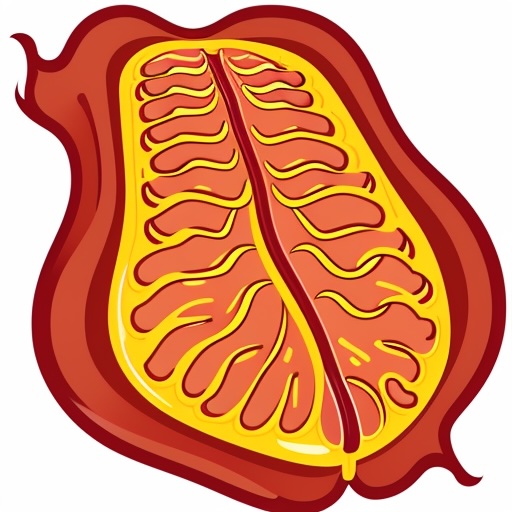
Two types of inflammatory bowel disease, Ulcerative colitis and Crohn’s disease. A challenge in IBD development is that many drugs show systemic PK and PD but fail in the intestinal mucosa. Most companies focus on Ulcerative colitis due to a) homogenous biology, b) access to tissue, c) established endpoints and d) lower variability in translational biomarkers. The plan is a biopsy based structure showing antibody target engagement that normalizes inflammation in colon and complements molecular mucosal healing signature while matching or preceding clinical efficacy.
It rests on 4 pillars:
1. Tissue exposure:
◦ Question: Does antibody reach the mucosa, how much of it reaches target cells and how long is the exposure?
◦ Comments: Need Tissue PK, also look for ADA
2. Target engagement:
◦ Question: What is target/receptor occupancy for ligand suppression and downstream signaling.
◦ Comments: Receptor for occupancy (IL23R, TL1A), Pathway – (INFy, TNF, fibrosis)
3. Mucosal repair:
◦ Question: Epithelial regeneration, barrier restoration, tight junction recovery, goblet cell normalization?
◦ Comments: Need IHC spatial biology platform for biopsy through sigmoidoscopy. Measure genes for Barrier function (CLDN1/4), epithelial regeneration (KRT20, EPCAM). Add: Neutrophil reduction, T-cell activity, macrophages and cytokines
4. Responder analysis:
◦ Question: Who responds to treatment as measured by transcriptomics, spatial biology and Proteomics
◦ Comment: Will need these later in development. Key question: does the antibody accelerate repair of inflamed mucosa as compared to current therapies?
Execution through: Histology, Paired biopsies, IHC, Spatial proteomics, LC-MS analysis. For bi/tri-specific antibody need to measure multiple pathways. Add standard measures: Geboes score, Roberts Histopath index, Nancy index, Calprotectin, lactoferrin.