
Synthetic biology dyes

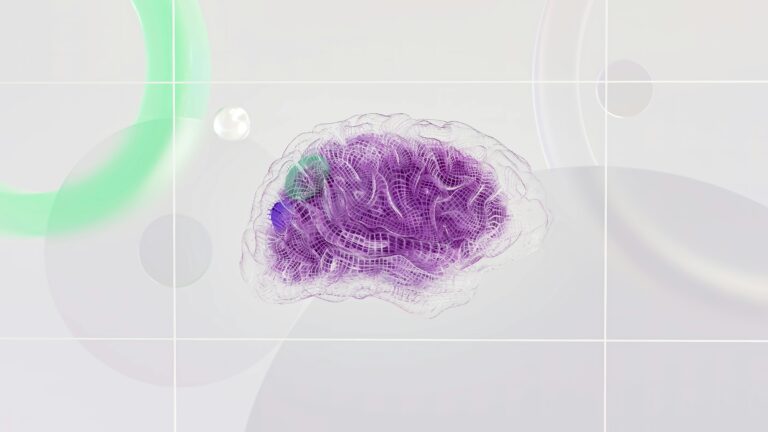
A synthetic biology company called Huue is going forward to create dye’s from bacteria. The cool part is that they are taking machinery that is in plants and introducing them into bacteria.
An advantage is that you could manipulate and then come up with new dyes. The dye Huue has started with is called Indigo and is the first dye that was made from plants and used for clothes.
They are going to create a similar product but produced in bateria. So what are the advantages – fast production and the ability to modify to exact specifications but it is probably not as cheap as producing from a plant which has very low production costs.
Time will tell whether this business model will work…
Similar Posts

  • |

    Muscarinic drugs and receptors

    There are many G-protein coupled receptors and one of the major categories for neurological drug development are called muscarinic receptors because they were first known to be activated by a mushroom alkaloid called muscarine. The isolation and characterization of muscarine was first reported by chemists in 1869! Muscarine works by mimicking the neurotransmitter acteylcholine on…

  • | |

    Relaxin

    Relaxin is a 6kd 2 chain peptide hormone produced by ovary and placenta in females tha help remodel connective tissue but also promotes vasodilation and has cardioprotective and renoprotective effects in animal model via Nitric oxide pathway. Relaxin-2 signaling via GPCR RXFP1 has been investigated as a drug for its antifibrotic and vasodilatory actions. RXFP1…

  • Spider robot molded cheaply

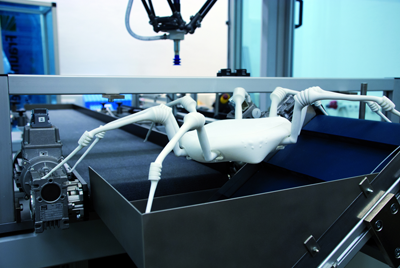
    Cheap robots by the millions Typically it costs many hundreds of dollars to make a robot that can do something substantial. However, researchers at the Fraunhofer institute have created molded or stamped robots that can be created very cheaply – they imagine them to be like disposable gloves. Make them, use them and then throw…

  • Polyphenols

    Polyphenols are a large family of naturally occurring compounds found in plants with two or more aromatic rings bearing one or more OH groups. They are divided into four main subclasses: Flavonoids : Quercetin (onions), catechin (tea), anthocyanins and kaempferol (Onions, berries, tea, dark chocolate) Phenolic acids: Caffeic acid, ferulic acid, ellagic acid, chlorogenic acid…

  • L-theanine

    It is surprising how much chemistry goes into understanding basic biology. Considering a simple cup of tea. There have been many studies showing the important bioactive compounds in tea. Catechins are polyphenols that got significant attention for their anti-oxidant activities. Then there is caffeine. But another component L-theanine has not been discussed much. L-theanine is…