Vitamin K2

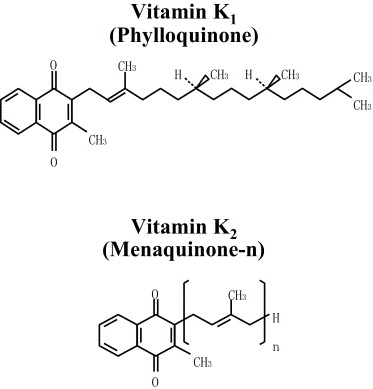
It has been traditionally thought that for bone health, sufficient calcium is required. However, it is just not calcium. A vitamin called Vitamin K1 (phylloquinone) and K2 (menaquinone) in combination with Vitamin D2 and calcium is important for activating a protein called osteocalcin which binds to calcium to build bones. Osteocalcin is also involved in stimulating the growth of dentin and thus highlighting its importance for teeth enamel.

Vitamin K2 is a fat-soluble molecule and is actually a series of subtypes from MK4 to MK13. In japan a subtype called MK4 is used for the treatment of osteoporosis. It is also important to shuttle calcium away from the arteries thus making it less likely to experience cardiovascular events with 9% decrease per 10mg K2 consumption, specifically MK7, MK8 and MK9. Incidentally, K1 did not have any effect, though the K vitamins are generally important for blood clotting which is implicated in heart attacks.

https://pubmed.ncbi.nlm.nih.gov/19179058

Vitamin K2 may thus be useful for bone health and heart and since it is move through the body as quickly, it might have a good potential as a supplement.

The sources of vitamin K2 are unconventional: fermented foods such as Natto, egg yolk, Gouda and blue cheese among others.

Similar Posts

  • Polyphenols

    Polyphenols are a large family of naturally occurring compounds found in plants with two or more aromatic rings bearing one or more OH groups. They are divided into four main subclasses: Flavonoids : Quercetin (onions), catechin (tea), anthocyanins and kaempferol (Onions, berries, tea, dark chocolate) Phenolic acids: Caffeic acid, ferulic acid, ellagic acid, chlorogenic acid…

  • |

    Muscarinic drugs and receptors

    There are many G-protein coupled receptors and one of the major categories for neurological drug development are called muscarinic receptors because they were first known to be activated by a mushroom alkaloid called muscarine. The isolation and characterization of muscarine was first reported by chemists in 1869! Muscarine works by mimicking the neurotransmitter acteylcholine on…

  • | |

    Hypertension

    There are many therapies for regulating high blood pressure. The one that has received some attention is the natural therapy by consumption of beet in various forms. Juice, raw, tablets, and cooked. The primary benefit appears to be conferred by the presence of nitrates, which enhance the amount of Nitric oxide present in blood and…

  • Plant communication

    Plants communicate with each other. That much is known. However, what is not known is how plants communicate using symbiosis. Dr Johnson has reported new work in Ecology letters that shows that plants use symbiotic fungi to enable communication. Communication also causes interesting secretion by plants when infected by aphids. These secretions that are volatile…

  • Developmental origins of metabolic disease

    8 pillars according to Kent L. Thornburg, MS, PhD, FAPS, Oregon Health & Science University Pillar 1: We all carry a genetic burden from our parents and grandparents, with most money spent on late-stage prevention rather than early-stage prevention. Pillar 2: Birthweight associations reveal that average-term births are least associated with disease, while high- and…

  • Wonderful biological tools

    There are so many tools available these days for biologists. It is such a dream…For example, to show which protein interacts with others, it is possible to just plug-in a protein name and find all the other proteins using “String”.In this example the search was for proteins interacting with Tau (Microtubule associated protein – MTAP)…