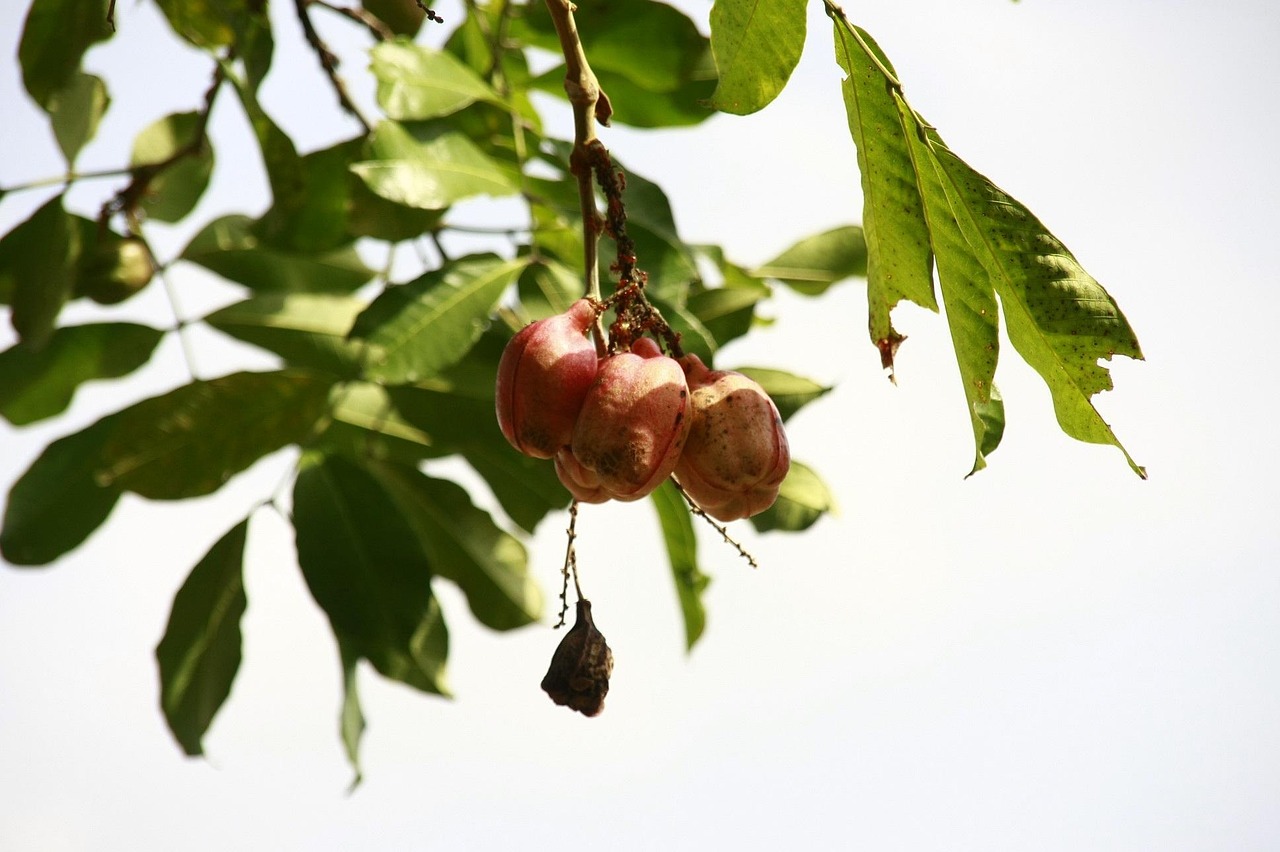
Humans have a fascination of eating food that has toxic components. One particular one that is unique to Jamaica and Africa is the Ackee fruit (Blighia sapida). The unripe food contains toxins called hypogylcin A & B. This is present mainly in the seed and the skin of the fruit but if consumed then it causes acute toxicity. These are amino-acid-glycides that somehow go away when the fruit is ripened naturally and then making this fruit safe to eat. One good sign of a ripened fruit is that it splits open though sometimes some unscrupulous vendors may artificial heat the fruit to ripen it or split the fruit so that it appears ripened.
The consequence of the toxicity is low blood glucose (<30 mg/dl), elevated serum lactate besides elevated liver enzymes, acute gastric distress and other symptoms. The hypglycin A inhibits fatty acid oxidation and gluconeogenesis in the presence of hypoglycin B. The exact mechanism is not known but one possibility is that metabolism of hypoglycin generates the metabolite MCPA coenzyme A which inhibits long chain fatty acid oxidation and depletes hepatic glycogen stores. It also has hepatotoxic potential though the minimum toxic dose has not been established. https://www.ncbi.nlm.nih.gov/books/NBK431101/
There has been research to show that its mechanism of action is not related to insulin but it will be interesting to see if there is a potential to use Hypoglycin derivates for control of blood glucose after its mechanism is fully understood.