|

Default mode network

photomanipulation, edits, night mode, blue night, night mode, night mode, night mode, night mode, night mode

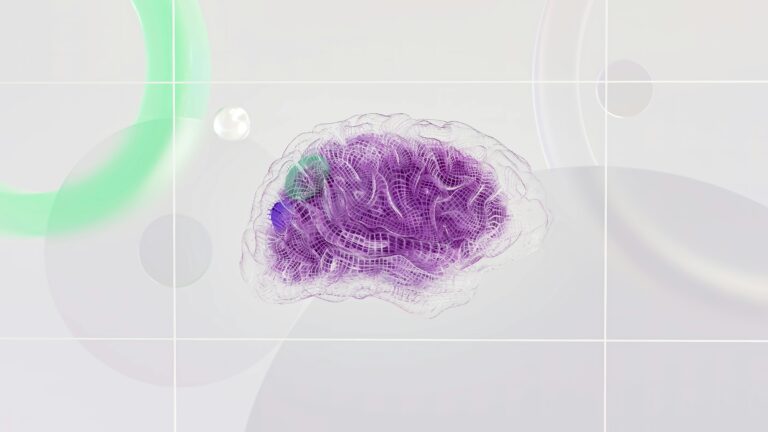
When we are not focused on a task, mind-wandering or just idling, specific regions of the brain such as medial pre frontal cortex, angular gyrus, hippocampus become activated and are called the default mode network. This is thought to be important for self referential thought, memory and future planning. It has been mapped with resting state fMRI, and also visible with EEG/MEG, PET and is thought to be modulated by TMS. The default mode network is linked to mood disorders, neurodegeneration, aging and creativity. Its activity in disease disorders is significant.

For example in aging, there is thought to be a age related default mode network fragmentation and in Alzheimer’s there is known to be reduced functioanl connectivity especially in the medial prefrontal cortex.

In older adults, a default mode network that is fragmented points towards cognitive decline,, Mild cognitive impairment or Alzheimer’s disease. A fragment network is one that do not fire together or is less integrated with frontoparietal control or salience network.

Will this be a biomarker of aging ?
Similar Posts

  • |

    Mesoscale explorer

    Sometimes it is hard to imagine how many molecules are involved in a common biological pathway but there are thousands of molecules that orchestrate their chemical reactions to sustain life. One such area is the synaptic gap where messages are passed between neurons. This is a very active space where vesicle with messengers cross the…

  • | |

    Relaxin

    Relaxin is a 6kd 2 chain peptide hormone produced by ovary and placenta in females tha help remodel connective tissue but also promotes vasodilation and has cardioprotective and renoprotective effects in animal model via Nitric oxide pathway. Relaxin-2 signaling via GPCR RXFP1 has been investigated as a drug for its antifibrotic and vasodilatory actions. RXFP1…

  • |

    Phages as antibacterial

    Bacteriophages are viruses that attack bacteria killing them. They are inanimate and can be considered dead till they infect the bacteria where they multiply. Phages were approved by the FDA in 2006 for their application in food to control Listeria infections. Link to paper: https://www.gastrojournal.org/article/S0016-5085%2806%2902235-9/fulltext This has continued for sometime, since multiple strains can be…

  • New Cancer targets

    Targets for cancer therapy initially were very specific cell division targets. Nowadays, the targets have become very cancer specific, for e.g. targeting the BCR-ABL to target Chronic Myeloid Leukemia. However, a scientist in Australia has come up with a target that is very unlikely – tropomyosin. Tropomyosin is a protein that along with actin is…

  • |

    Radiopharmaceuticals

    Development is complex: Usually are highly cancer specific, high persistent expression throughout the tumor and metastasis, readily accessible on the cell surface, not shed and thoroughly validated. Many isotopes are possible and many targets possible such as Nectin4, DLL3, FAP, Somatostatin receptors, PSMA, Integrins, CXCR4, Claudin 18.2, Norepinephrine transporter, EGFR2. Clearance from tumor will matter…

  • |

    Adeno associated virus

    Adeno associated virus (AAV) has been one of major interests for gene therapy. AAV was discovered in 1965 as a contaminant of adeno virus and hence the name. It is 22nm and low pathogenicity because no polymerase and cannot replicate till there is co-infector. Genome map is 4.7kb. 145 nucleotides inverted terminal repeats at both…