Foods and toxicity

ackee, fruit, caribbean, jamaica, national, ackee, ackee, ackee, ackee, ackee

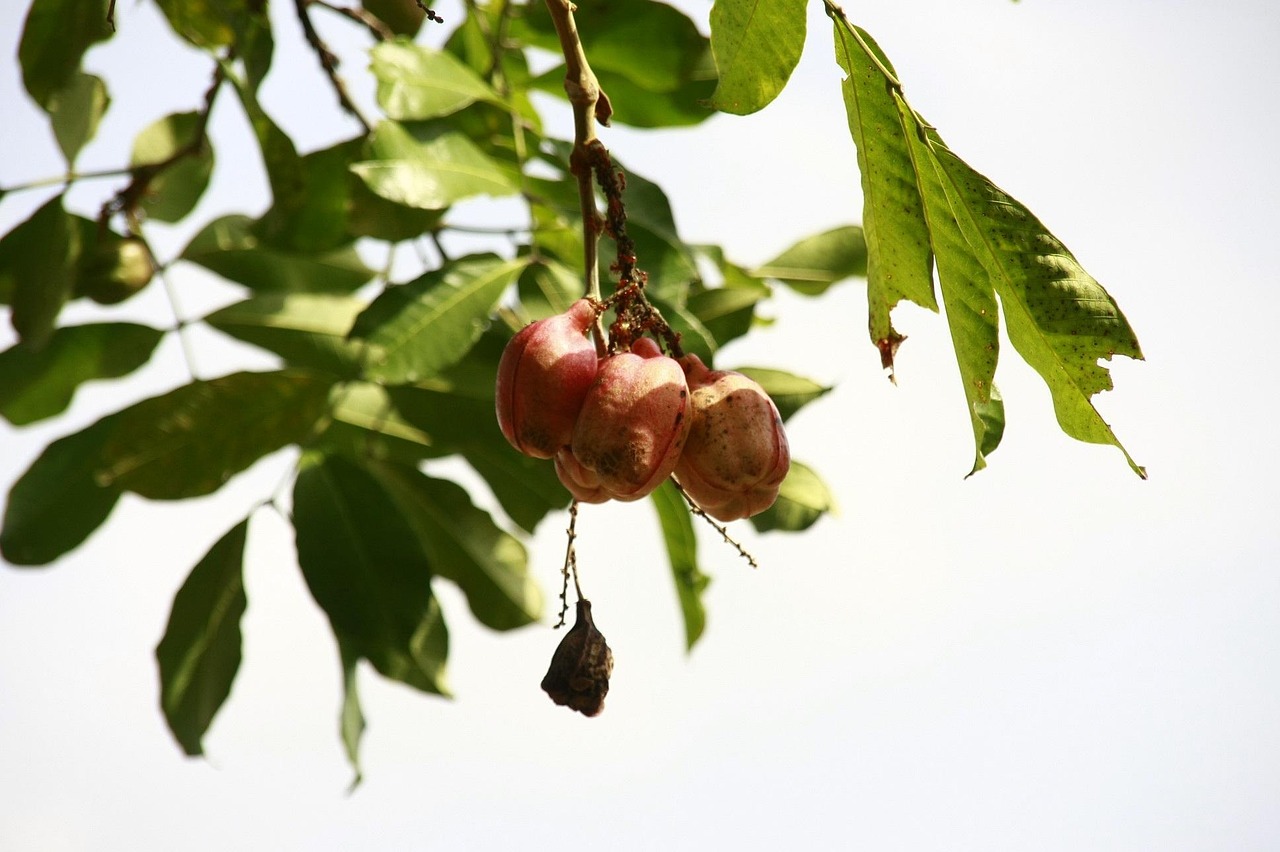
Humans have a fascination of eating food that has toxic components. One particular one that is unique to Jamaica and Africa is the Ackee fruit (Blighia sapida). The unripe food contains toxins called hypogylcin A & B. This is present mainly in the seed and the skin of the fruit but if consumed then it causes acute toxicity. These are amino-acid-glycides that somehow go away when the fruit is ripened naturally and then making this fruit safe to eat. One good sign of a ripened fruit is that it splits open though sometimes some unscrupulous vendors may artificial heat the fruit to ripen it or split the fruit so that it appears ripened.

The consequence of the toxicity is low blood glucose (<30 mg/dl), elevated serum lactate besides elevated liver enzymes, acute gastric distress and other symptoms. The hypglycin A inhibits fatty acid oxidation and gluconeogenesis in the presence of hypoglycin B. The exact mechanism is not known but one possibility is that metabolism of hypoglycin generates the metabolite MCPA coenzyme A which inhibits long chain fatty acid oxidation and depletes hepatic glycogen stores. It also has hepatotoxic potential though the minimum toxic dose has not been established. https://www.ncbi.nlm.nih.gov/books/NBK431101/

There has been research to show that its mechanism of action is not related to insulin but it will be interesting to see if there is a potential to use Hypoglycin derivates for control of blood glucose after its mechanism is fully understood.


Similar Posts

  • Denervation for hypertension

    Most patients have blood pressure – about 50% have high BP. 100M people have it. Secondary hypertension ( causes which are not primary genetic etc) sleep apnea hyperthyroidism hyperaldosteronism Coartation of arota (pinching of artery) Renal artery stenosis (plaque in kidney artery). Kidney wants blood pressure and hence they sometimes can cause high blood pressure)…

  • Deuterium based drugs

    The news story today is about Concert Pharmaceuticals partnering with Celgene to develop Concert’s deuterated compounds. Concert and Auspex are two pharmaceutical companies pursuing the deuterated compound as a unique drugs but the science is a bit of a mystery. Hydrogen and its isotope Deuterium exists in nature and thus any compound will exist in…

  • |

    Sequencing

    It is amazing how good genetic sequencing is getting these days and reasonable enough to get 30x whole genome sequence that enables detailed analysis for a variety of conditions. The costs are so low that it is now possible for almost everyone to do it and also analyze the data. One provider with a catchy…

  • |

    Open source protein models

    A company called Profluent (profluent.bio) has been developing protein models that can be used for designing new proteins (https://www.nature.com/articles/s41587-022-01618-2), modeling of new CRISPR-Cas sequences (https://www.nature.com/articles/s41586-025-09298-z) and developing LLM for protein generation (https://www.biorxiv.org/content/10.1101/2025.11.12.688125v1.article-info). What is amazing is that they have open sourced all their models and Profluent-E1 is available in GitHub to download and use. (https://github.com/Profluent-AI/E1)…

  • | |

    Hypertension

    There are many therapies for regulating high blood pressure. The one that has received some attention is the natural therapy by consumption of beet in various forms. Juice, raw, tablets, and cooked. The primary benefit appears to be conferred by the presence of nitrates, which enhance the amount of Nitric oxide present in blood and…