
Considerations for analysis of clinical samples

Close-up of colorful test tubes with blue caps in a laboratory setting.

When diagnostic tests are implemented in clinical studies there are multiple considerations beyond just the assay and the analyte that are not generally considered but are important. For example: Sample collection, preparation and transport

Standards need to be specified for pre-analysis that would specify the conditions needed even before the analysis are done.

Selection of tubes – The tubes that are used for collection can affect the analyte and need to be carefully considered

Timing of sample transit: How long does it take for the sample to arrive at the testing facility after collection from the patient

Storage: Storage of the samples during transit or even after the transit need to be clear and specified before it can be used.

There are other considerations for samples but this quickly illustrates that the sample journey should be considered in addition to assay parameters: such as limit of detection, thresholds for specificity and sensitivity, causes of interference and other assay specific parameters.

Similar Posts

  • Multi-cancer early detection

    There have been so many multi-cancer early detection tests coming on the market and the users are generally not aware of them – each of them have a different capability and strengths. Genomeweb had done a survey of what are the tests available and how they are perceived. Look at the survey at : https://www.genomeweb.com/cancer/genomeweb-survey-enthusiasm-mced-tests-research-and-clinical-care-despite-evidence-caveats…

  • Predicting aging

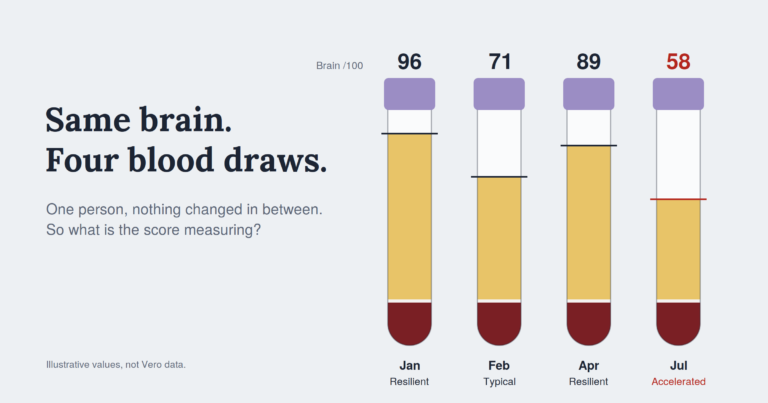
    On Vero Bioscience’s homepage there’s a phone mockup that reads “Brain 96/100, Resilient.” I kept staring at it, because no score like that appears in the papers the company is built on. Those papers report age gaps in years and z-scores. Vero sells OrganAge, a blood test it says reads more than 11,000 plasma proteins…

  • Liquid biopsy guidelines

    A term that was created in 2010 called “liquid biopsy” became the standard for much of the screening of cancer that is done using blood to check for cancer cells though the NCI definition is specific for cancer and used to include its applications in detecting cancer and determining therapeutic efficacy : https://www.cancer.gov/publications/dictionaries/cancer-terms/def/liquid-biopsy The first…

  • Prioritizing biomarkers

    When there are multiple biomarkers in a therapeutic study, how do you prioritize which one to use. One possibility is to use specific criteria. The easiest one of them is to select one that gives you the best signal/noise. A strong signal for your efficacy marker will enable you to detect small changes in the…