Learning Biology is an evolving process. The science keeps changing towards a greater understanding and sometimes the conclusions that were drawn are not always right. For example, blood letting or bleeding a person used to be the treatment for some diseases. That was an acceptable form of treatment but now we wonder as to what led to those conclusions? It is difficult to be just 100% right all the time. When a scientist makes a specific theory, it is based upon the data that is available at that time. If that data changes over the period or some new information comes in then the theory has to change. As scientists, we beat ourselves up on being right 100% of the time and if that is what we aim for then it would be impossible to conclude anything and we would just want to be quiet and live in a cave without concluding anything. However, the good scientists try’s to find the interesting (which may also vary) things in the world and work on them. There is another catch here: if they work on something that is just “cool” and has a lot of other scientists working on them, then there will be no differentiator. A good scientist will try to discover and work on interesting things to work on that are interesting to them and are cool but is the kind of thing that no one is paying much attention to…
Similar Posts
Sleep apnea
Sleep apnea is when sufferer stops breathing (apnea) at night as the muscles in the throat relax and then resumes when brain semi-awakes when the oxygen supply gets low to restore respiration. This happens tens to hundreds of times at night and can be debilitating when the disruption to sleep causes other health effects such…
L-theanine
It is surprising how much chemistry goes into understanding basic biology. Considering a simple cup of tea. There have been many studies showing the important bioactive compounds in tea. Catechins are polyphenols that got significant attention for their anti-oxidant activities. Then there is caffeine. But another component L-theanine has not been discussed much. L-theanine is…
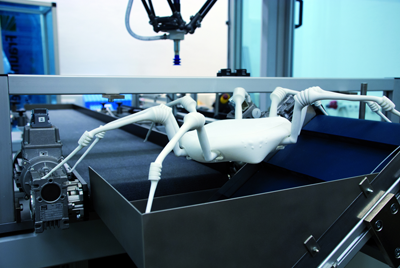
Spider robot molded cheaply
Cheap robots by the millions Typically it costs many hundreds of dollars to make a robot that can do something substantial. However, researchers at the Fraunhofer institute have created molded or stamped robots that can be created very cheaply – they imagine them to be like disposable gloves. Make them, use them and then throw…
Obesity facts
Just some highlights to remember 50% of world population is thought to be obesity and thought to be a master switch for a variety of disorders such as diabetes, cardiovascular disease, liver disease and kidney. 30-40% of Diabetics develop chronic kidney diseases and presence of albuminuria raises risk. 38% of adults have MASH with very…
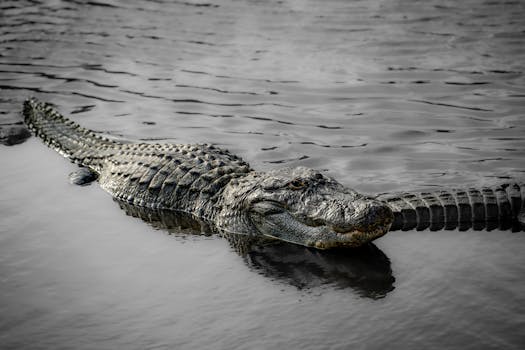
Morphological length
In alligator length estimation, the snout-eye-length is an approximation of length used for some species and speaks about proportionality of growth. For example, each inch length from the eye of the crocodile to the end of the snout equals the length of the alligator. For example 3 inches of snout-eye-length implies that the alligator is…