Foods and toxicity

ackee, fruit, caribbean, jamaica, national, ackee, ackee, ackee, ackee, ackee

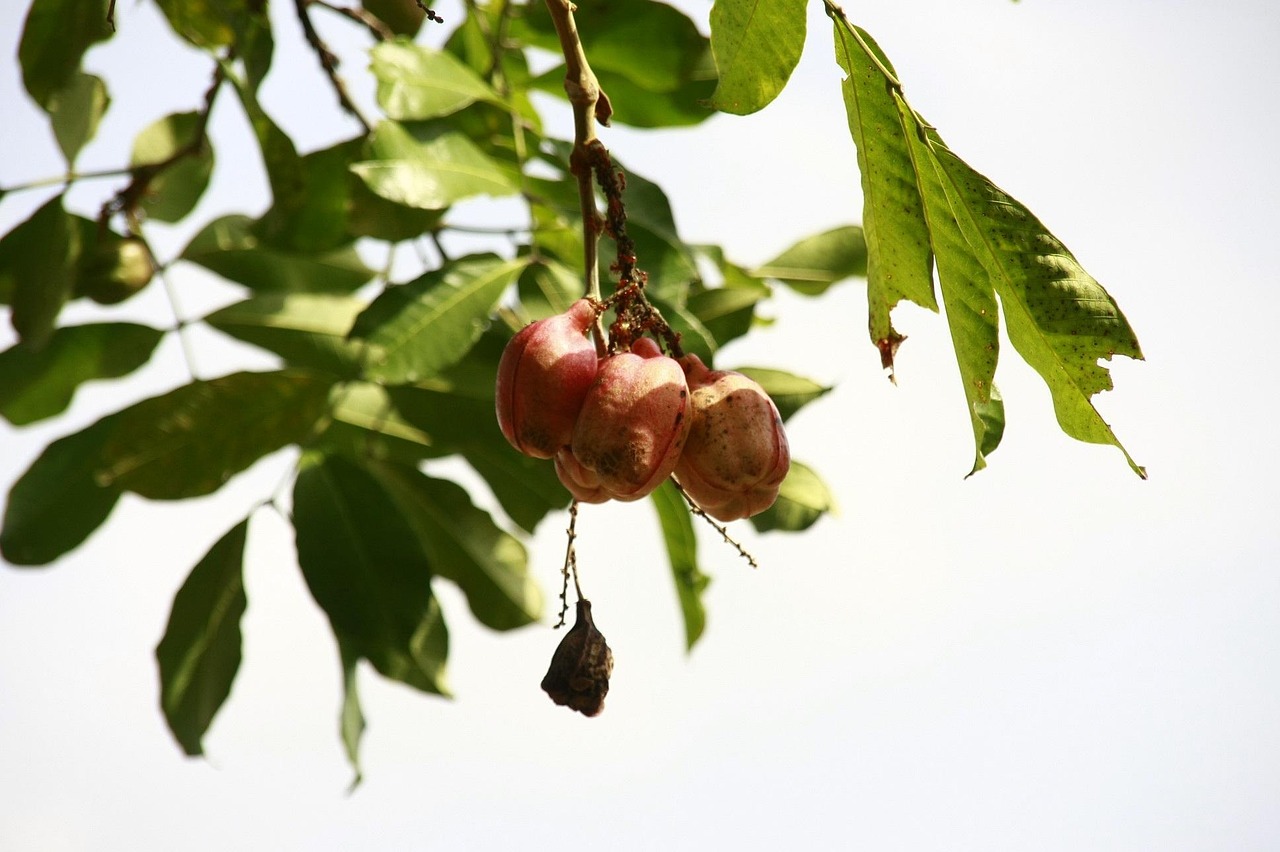
Humans have a fascination of eating food that has toxic components. One particular one that is unique to Jamaica and Africa is the Ackee fruit (Blighia sapida). The unripe food contains toxins called hypogylcin A & B. This is present mainly in the seed and the skin of the fruit but if consumed then it causes acute toxicity. These are amino-acid-glycides that somehow go away when the fruit is ripened naturally and then making this fruit safe to eat. One good sign of a ripened fruit is that it splits open though sometimes some unscrupulous vendors may artificial heat the fruit to ripen it or split the fruit so that it appears ripened.

The consequence of the toxicity is low blood glucose (<30 mg/dl), elevated serum lactate besides elevated liver enzymes, acute gastric distress and other symptoms. The hypglycin A inhibits fatty acid oxidation and gluconeogenesis in the presence of hypoglycin B. The exact mechanism is not known but one possibility is that metabolism of hypoglycin generates the metabolite MCPA coenzyme A which inhibits long chain fatty acid oxidation and depletes hepatic glycogen stores. It also has hepatotoxic potential though the minimum toxic dose has not been established. https://www.ncbi.nlm.nih.gov/books/NBK431101/

There has been research to show that its mechanism of action is not related to insulin but it will be interesting to see if there is a potential to use Hypoglycin derivates for control of blood glucose after its mechanism is fully understood.
Similar Posts

  • Garlic crush and sit rule

    More about garlic preparation. Garlin contains alliin stored in the cytoplasm which is converted by enzyme allinase, which is in the cell sap, to allicin which is the key sulfur compound responsible for its flavor and all the health benefits. However to make the enzyme react, the crushing process needs to take place at room…

  • Heart valve

    Heart valve failure symptoms are shortness of breath, fatigue, swollen legs etc and usually you can see on the ultrasound. Calcium deposits are the main reason for heart valve failure. This blockage of the valve is called stenosis.This is mainly an age related disability and diet or other modifications will not affect their progression. Typically…

  • New Cancer targets

    Targets for cancer therapy initially were very specific cell division targets. Nowadays, the targets have become very cancer specific, for e.g. targeting the BCR-ABL to target Chronic Myeloid Leukemia. However, a scientist in Australia has come up with a target that is very unlikely – tropomyosin. Tropomyosin is a protein that along with actin is…

  • ADHD

    Attention deficit hyperactivity disorder is thought to be neuro-developmental disorder that is thought to have a genetic component since it is heritable as shown from the twin and family studies. There are 3 core features that are used in diagnosis since it is not a single type of disorder but rather defined by DSM-5 classification…

  • Flow

    The father of focus was Mihaly Csikszentmihalyi an American Hungarian psychiatrist who associated focus with happiness. His contention was that true happiness comes from doing things in flow. Flow was designed as something that had enough challenge that makes it exciting while at the same time not being boring. For example, passive activities such as…

  • |

    Muscarinic drugs and receptors

    There are many G-protein coupled receptors and one of the major categories for neurological drug development are called muscarinic receptors because they were first known to be activated by a mushroom alkaloid called muscarine. The isolation and characterization of muscarine was first reported by chemists in 1869! Muscarine works by mimicking the neurotransmitter acteylcholine on…