There have been studies, that show that in a significant proportion of Autistic patients the symptoms of Autism decreases when the patients have a fever, or are treated with an antibiotic – vancomycin. This effect has been known since about 1980 and (also reported on the web at Simons foundation too). When a fever ran through Bellvue hospital the patients were more social and alert when feverish. This effect has been shown in some studies to be in 7% of the patients, or in others at 80%, so it is highly variable.
There is also been some studies linking the incidence of fever during pregnancy with higher incidence of autism.
However, the cause and effect in both the cases are lacking.
There are two ways to think about it.
DOUBT: Fever does make a person feel tired and fatigued and in children, could easily appear to some parents similar to the time that the child was being sedated and hence docile. It would lower a child’s anxiety level too.
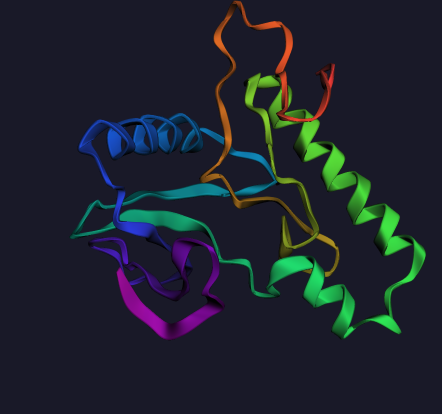
BELIEF: This phenomenon has not been investigated in molecular detail but many neuronal pathways do function more actively at a higher temperature, so does this compensate for the some other neuronal pathways that are not functional while at a lower temperature? There are some studies showing that stimulation of the heat shock proteins may be responsible too. There have been other studies that have shown that hyperthermia causes an amelioration of autism symptoms.
It would be interesting to investigate this in greater detail.