|

Bile duct cancer

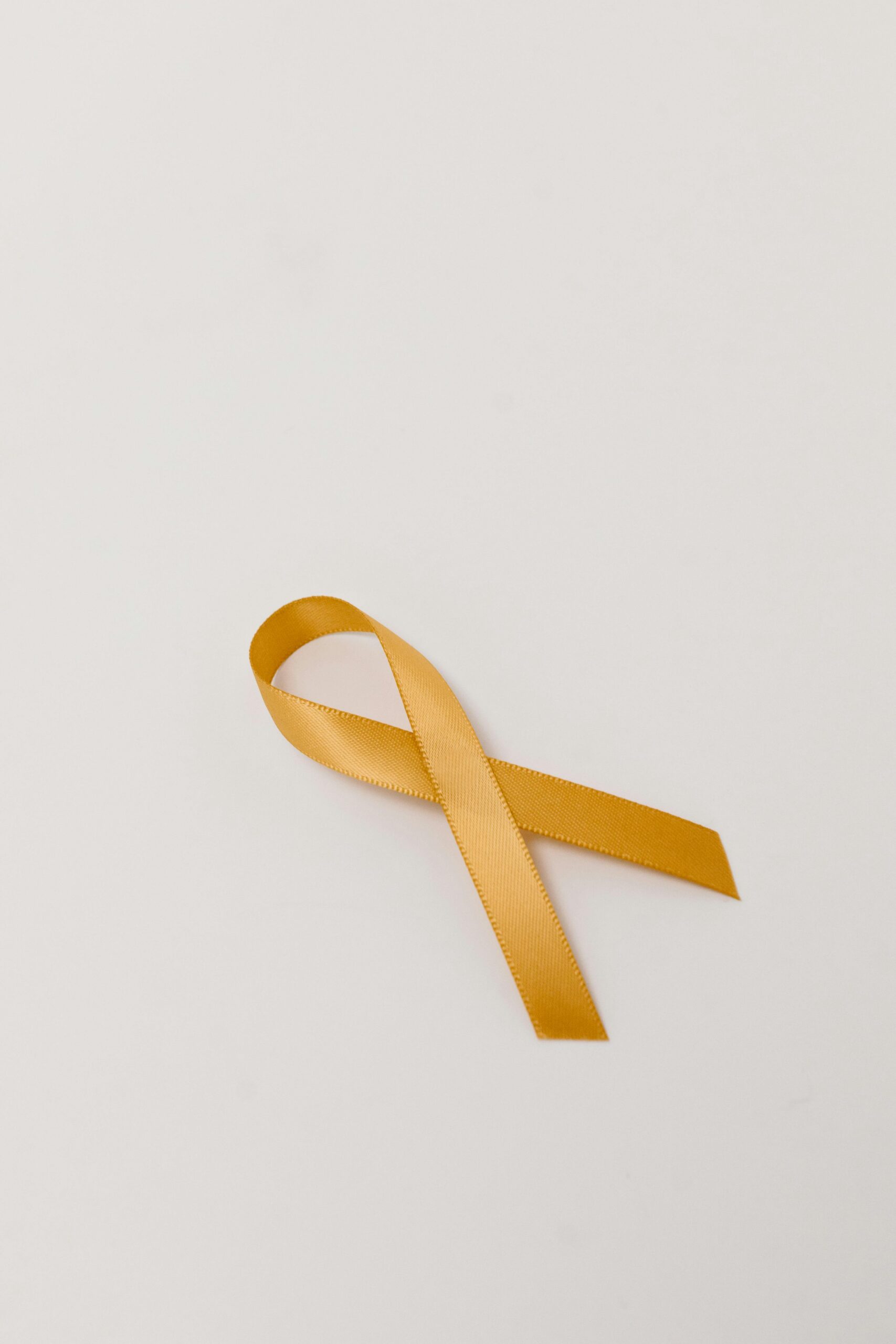
A close-up of a gold awareness ribbon on a white surface symbolizing cancer awareness and support.

Bile duct cancer or cholangiocarcinoma, (CCA) is a rare cancer with an incidence of ~3 cases per 100,000 with 10,000 new case diagnosed annually. It is about 10-20% of liver cancers.

Interestingly, in Thailand, and some south east asian countries, the incidence is nearly 10 fold higher due to liver fluke infections (Opisthorchis viverrini and Clonorchis sinesis). https://www.cureus.com/articles/185332-associations-of-liver-fluke-infection-and-cholangiocarcinoma-a-scoping-review#!/

It is thought that the eating uncooked or raw fish leads to persistent infection by liver flukes in the bile duct. The damage, over decades, is caused by chronic mechanical damage to the bile duct epithelial cells but also causes release of OvGRN-1 by the parasite. It is thought that proinflammatory IL6 produced chronically can cause damage to the bile duct cells and turn cancerous. However, if liver fluke infection is detected early then it can be targeted by antihelmentic therapy such as Praziquantel or Tribendimidine.

CCA can be detected with Carbohydrate antigen 19-9 as a biomarker which is used as a diagnostic tool. CCA is mostly treated with removal of the tumor through surgery or radiation but chemotherapy is also utilized for tumors that are unresectable, metastatic or recurrent. The efficacy of chemotherapy is unknown though gemcitabine and cisplatin are used as first line treatment to shrink tumors and control spread.

The genes that are usually involved are TP53 (26-45%), KRAS (6-23%), ARID1A involved in chromatin remodeling (6-23%), SMAD4 (8-24%) and SMAD4& CDKN2A/B .

A small percentage (~10%) are actionable with currently available therapies IDH1 with Ivosidenib, FGFR2 with Pemigatinib and BRAF V600E.
Similar Posts

  • Filtering bacteria

    Multi Drug resistance to bacteria is a problem since bacteria continue dividing in blood causing sepsis that cannot be controlled by antibiotics and ultimately causing death. There have been multiple methods that have been proposed. A unique method has been published in Nature that incorporates “filtering” blood to remove the bacteria.Blood flows very rapidly through…

  • Capsaicin

    Capsaicin is the flavoring and key ingredient for the heat in chili peppers. The heat comes from its interaction with TRPV1 (vanilloid receptor subtype 1) ion channel that leads to the burning sensation in any animal tissue that comes into contact with it. Interestingly, bird TRPV1 is not responsive to capsaicin. Another function that has…

  • |

    Virtual cell

    Hani Goodrazi – Arc institute has been working on virtual cell. Drugs fail due to overfit experimental models, You need screen drugs with better models of human biology. Geneva is platfrom that brings tumor models into perturbation model – that is a transcriptomics assay that deconvolves into effect. Take multiple cell line and then treat…

  • Synthetic biology dyes

    A synthetic biology company called Huue is going forward to create dye’s from bacteria. The cool part is that they are taking machinery that is in plants and introducing them into bacteria.An advantage is that you could manipulate and then come up with new dyes. The dye Huue has started with is called Indigo and…

  • |

    ALS and TDP43

    Almost 90% of ALS is thought to be sporadic. The reasons are not well understood and thought to be oxidative stress, damaged endoplasmic reticulum, mitochondria, cytoskeleton or misregulation of RNA pathways. One protein implicated is TDP43 which sits as a junction of ALS pathogenic path by binding to RNA modulation synthesis, splicing, stability and transport….