Most patients have blood pressure – about 50% have high BP. 100M people have it.
Secondary hypertension ( causes which are not primary genetic etc)
sleep apnea
hyperthyroidism
hyperaldosteronism
Coartation of arota (pinching of artery)
Renal artery stenosis (plaque in kidney artery).
Kidney wants blood pressure and hence they sometimes can cause high blood pressure)
Cushings syndrome
Medications – immunotherapeutics can raise bp in chemotherapy)
Medicated – even 80% are not at goal.
More treatment helps
Lifestyle changes – reduce salt intake, exercise and dietary changes, decrease alcohol
Therapy: Calcium channel blockers, ACE inhibitor, angiotension receptor blockers, diuretics, spironolactone.
There has not been too much innovation and liability for side – effects. This leads to nonadherence.
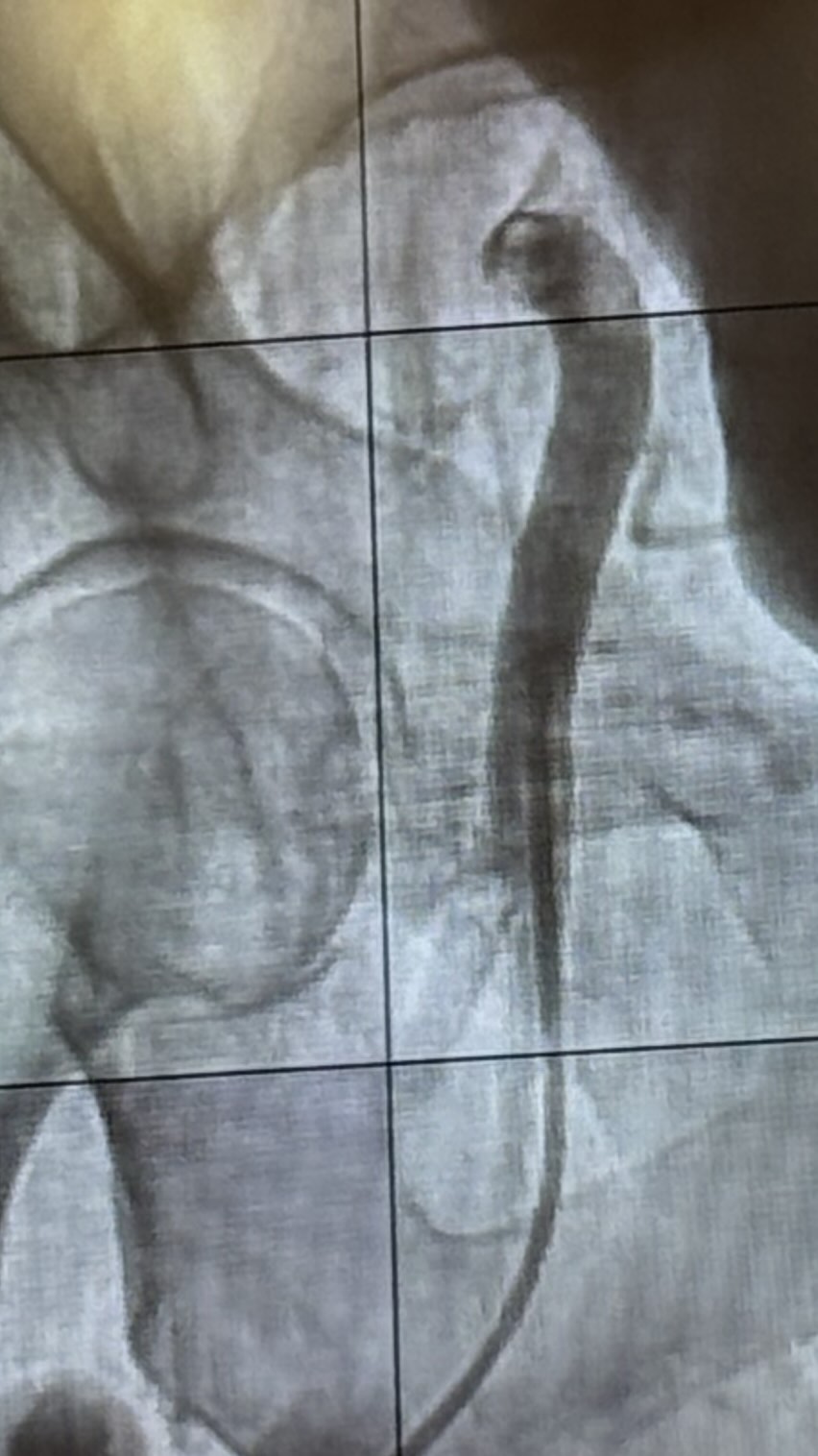
Renal artery denervation – Was done in 2007 through catheter. And did lower blood pressure. Kidney’s are greedy – they are very well innervated. Feedback loop to brain – they keep blood flow up. It becmoes overactive smpathetic system.
Nerves near the kidney are more important to ablate.
Radiofrequency mediated renal artery denervation – casuse a 10mm Hg drop in 24 hr ambulatory blood pressure primary endpoint.
Also ultrasound mediated rentar artery denervation.
Very rigorous study (Medtronic).
Contraindications – increased bleeding risk or CKD or eGFR <45 ml/min/1.73m2
, previous renal artery innervation.
All the equipment are put through a catheter.
Treatment algorithm – first treatment and as last resort use kidney denervation.
Usually bilateral – specific energy to burn only the specific neurons.
Magnesium is a smooth muscle relaxant and so magnesium can cause it to relax. And sometimes they give to pregnant women. Mg supplement may not have an effect.
Measure blood pressure technique. –Usually do it just once after stting down and relaxing for 5 minutes.
Denervation does not change the blood flow to the kidney but it does lower BP.
Global changes – you see a change in the RAS system. But they have not looked – it is more about clinical outcomes.
Sometimes carotid artery can also be explored in other vascular beds.