Learning Biology is an evolving process. The science keeps changing towards a greater understanding and sometimes the conclusions that were drawn are not always right. For example, blood letting or bleeding a person used to be the treatment for some diseases. That was an acceptable form of treatment but now we wonder as to what led to those conclusions? It is difficult to be just 100% right all the time. When a scientist makes a specific theory, it is based upon the data that is available at that time. If that data changes over the period or some new information comes in then the theory has to change. As scientists, we beat ourselves up on being right 100% of the time and if that is what we aim for then it would be impossible to conclude anything and we would just want to be quiet and live in a cave without concluding anything. However, the good scientists try’s to find the interesting (which may also vary) things in the world and work on them. There is another catch here: if they work on something that is just “cool” and has a lot of other scientists working on them, then there will be no differentiator. A good scientist will try to discover and work on interesting things to work on that are interesting to them and are cool but is the kind of thing that no one is paying much attention to…
Similar Posts
Chromosome transfer
It is possible to transfer DNA from one cell to another but usually this is done by transfer of small regions of DNA and their transfer. However, larger pieces can be transferred as whole chromosomes that would add significant amount of DNA material. There are several steps involved such as creation of large sequences and…
Squid camouflage
Distributed light sensing Squid can really hide well in their environment. It is important for their survival since they have minimal active defenses but how is it important to us? Office of Naval Research thought that it was important enough to grant a $ 6 million grant to Roger Hanlon of Woods Hole Marine Biological…
Protein function alters taste
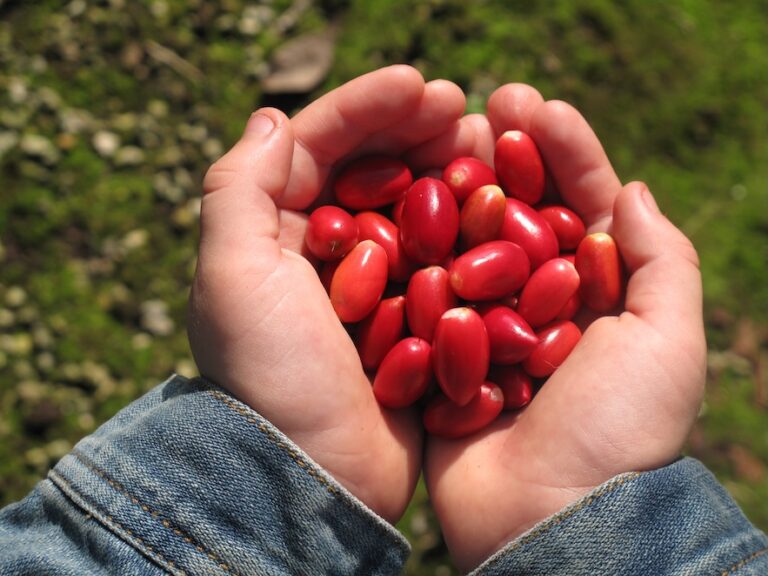
There have been many instances where we believe what we see or taste or hear. That belief forms our existence on what is “real”. Sometimes, when that distorts, it can change our perception. This is not about psychedelic substances but in fact a small protein called miraculin. It is 24.6 kDa protein that is a…