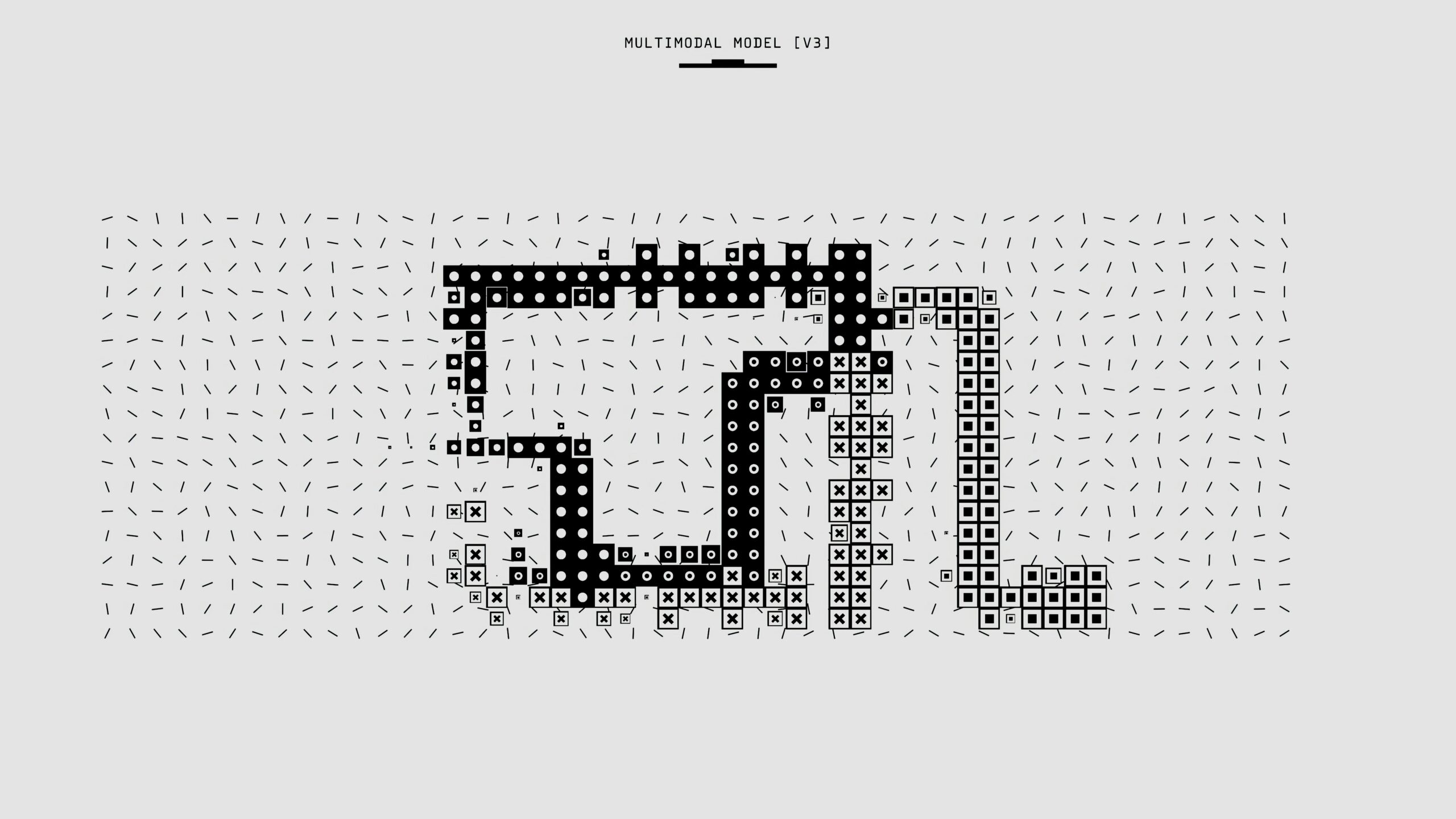
A good website keeping us all current for biological AI models.
There are not that many open models but the website lists their “openness” and their citation.

A good website keeping us all current for biological AI models.
There are not that many open models but the website lists their “openness” and their citation.
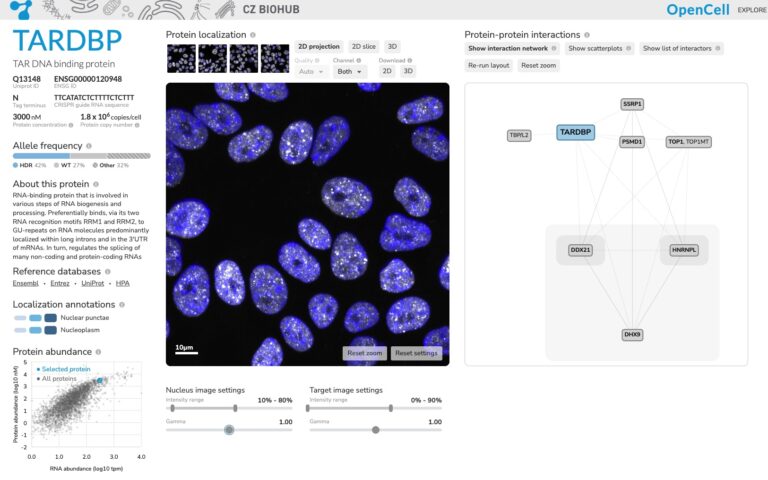
Discussion by Manu Leonetti at Chan Zuckerberg hub. Self driving cars are taught in simulation. Similar biology should be also done as simulations. The cell needs to be thought as devices. How does information flow within a cell and do that in cells. Use GFP to tag the cells but also later use it for…

This was in a LinkedIn Post by Jeffrey Low and was from a survey done by Endpoints news and it is so correct that it is very difficult to translate animal models to human biology. This is coming from a group of about 500 verified subscribers who were asked in October 2025. The survey also…

PET is used in drug discovery: PET in patient selection Process: Cyclotron is used, chemistry and formulation and then imaging and analysis. PET Takes time to make the probe: 20 mins to make the probe For brain usually short half life is used – Carbon 11 – 20 minutes, Fluorine 18 109 minutes, Nitrogen 13…
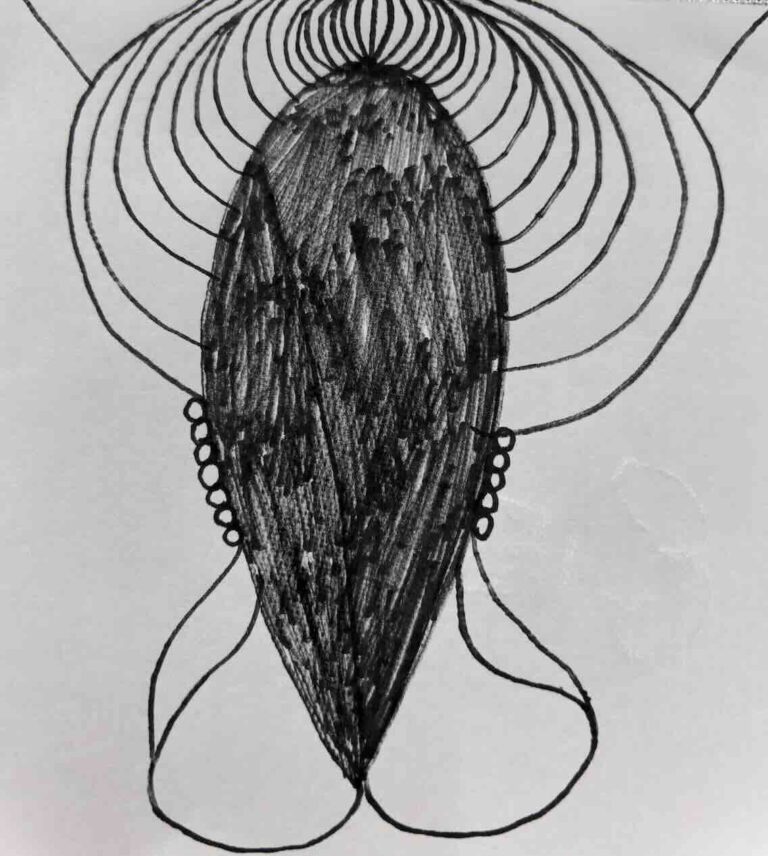
I am exploring how AI can scale expert feedback in subjective domains with a hobby project. After visiting art museums around the world, I kept coming back to a familiar challenge: how do you consistently evaluate something inherently subjective? After having created medical devices in pain, the idea was worth exploring. It’s a question that…

There have been many AI models to predict the structure of proteins, especially antibodies. There are several key aspects to developing antibodies as drugs beyond binding to the target of interest. These are : thermostability, expression, aggregation, binding affinity, pharmacokinetics, polyreactivity and immunogenicity. There have been many models available such as IgLM, ProGen2, Chai-1, ESM2,…

Good publication to review material: CognArtive: Large Language Models for Automating Art Analysis and Decoding Aesthetic Elements at https://arxiv.org/html/2502.04353v1 And the wonderful visualization to analyze the data over the years that was derived from WikiArt. https://cognartive.github.io Autocritic: an open-source system that uses classic art theory to evaluate images and steer generative systems. It distills historical…
| Cookie | Duration | Description |
|---|---|---|
| cookielawinfo-checkbox-analytics | 11 months | This cookie is set by GDPR Cookie Consent plugin. The cookie is used to store the user consent for the cookies in the category "Analytics". |
| cookielawinfo-checkbox-functional | 11 months | The cookie is set by GDPR cookie consent to record the user consent for the cookies in the category "Functional". |
| cookielawinfo-checkbox-necessary | 11 months | This cookie is set by GDPR Cookie Consent plugin. The cookies is used to store the user consent for the cookies in the category "Necessary". |
| cookielawinfo-checkbox-others | 11 months | This cookie is set by GDPR Cookie Consent plugin. The cookie is used to store the user consent for the cookies in the category "Other. |
| cookielawinfo-checkbox-performance | 11 months | This cookie is set by GDPR Cookie Consent plugin. The cookie is used to store the user consent for the cookies in the category "Performance". |
| viewed_cookie_policy | 11 months | The cookie is set by the GDPR Cookie Consent plugin and is used to store whether or not user has consented to the use of cookies. It does not store any personal data. |