Imaging: Precise real time Three dimensional Hand Mapping.

Leap motion

It is typically difficult to map in three dimensions (3D) at a very close distance in high precision very quickly. There are different ways to accurately represent three dimensions but that requires a 3D scanner that will take a number of “images” with light or infrared or sonar and then map it correctly. However, if you can map something very precisely then you can have devices that will change the human-computer interface to be something more useable.

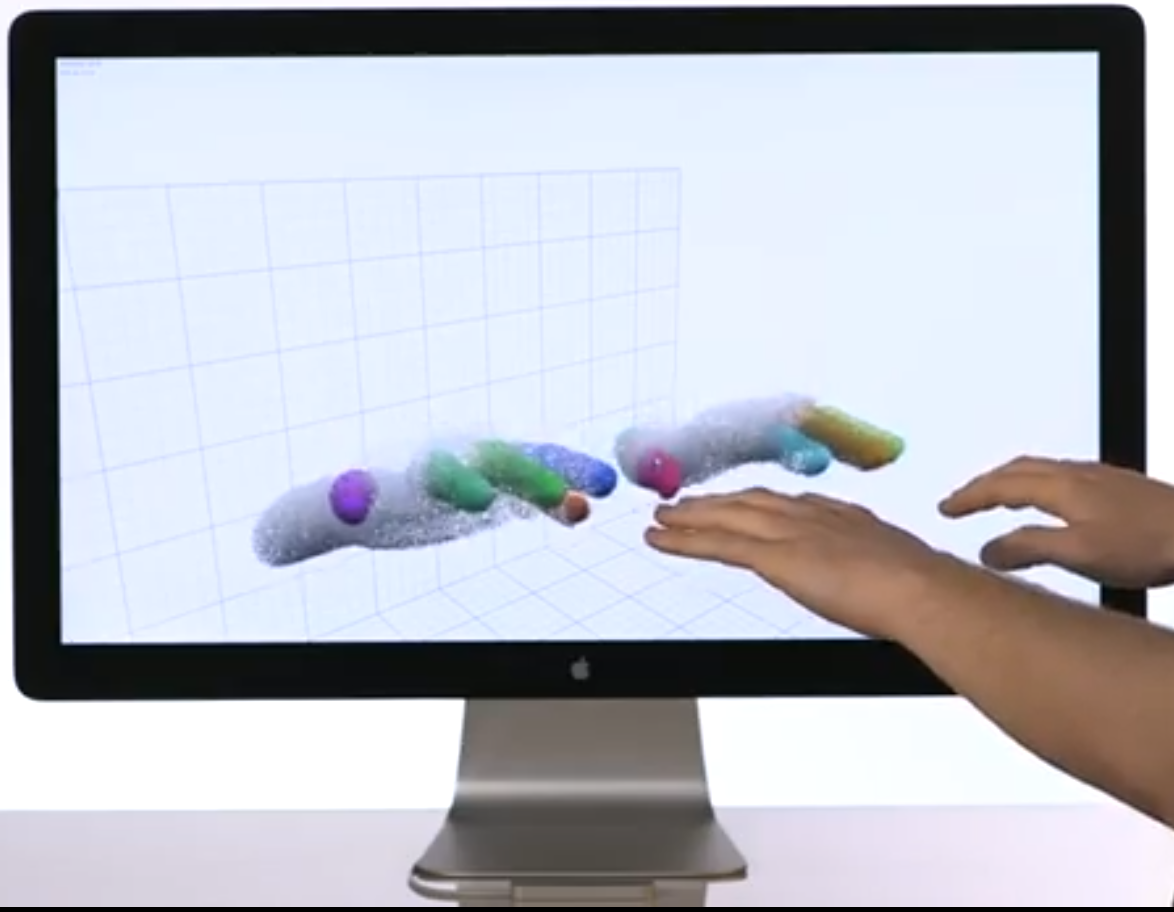
A company called Leap motion has done just that. They produce a device that can precisely map the position of the hand, finger or a pencil in 3D space. Obviously, they are catering for the mass market as a replacement for the mouse or other pointing device, or even a keyboard, but the uses for such a device goes beyond a pointing device.

Here are some fields in biology that could benefit by using their system:

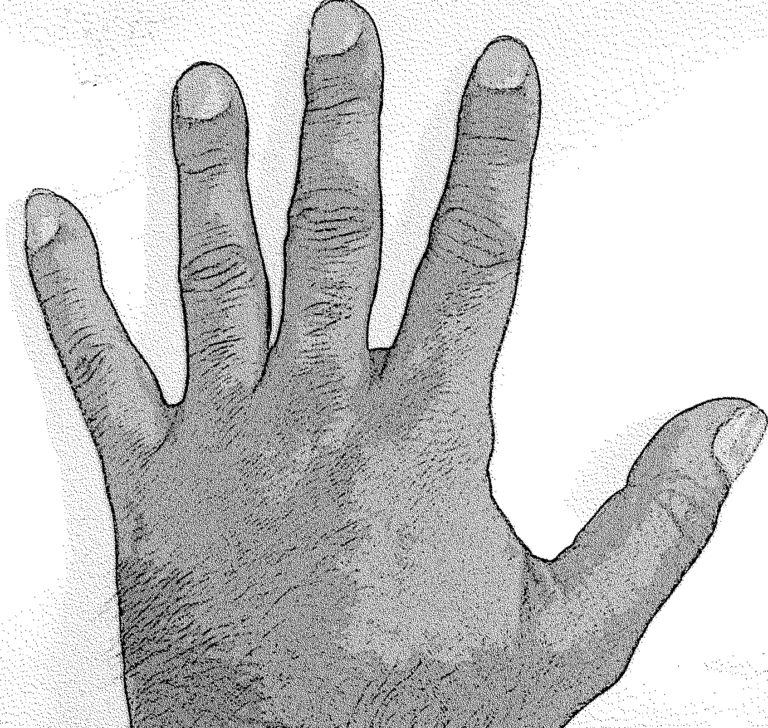
  • Mapping of the hand where hand has been the major organ of disease initiation.
  • For naturalists this would be easy and cheap way to get a 3D representation of the object – be it a butterfly or a flower.
  • For the deaf and dumb it could form a nice interface from the hand to the computer.
  • Invention required: Just like the sign language, there could be library for commonly used gestures that could represent words or even could represent actions on the computer.
  • Diagnosis of hand based diseases such as arthritis and other joint problems

Obviously, there are many such uses for the new technology since they have signed agreement with Best-Buy today and Asus computers will have these incorporated into them. Can you think about other applications?
https://www.ultraleap.com/

Similar Posts

  • Micro-Microscope

    Cell phone camera’s are small. However, typically microscopes are large bulky devices that have large lenses to collect light and are used for getting high resolution magnified images that are coupled to bulkier high sensitivity camera’s. But what about in-vivo microscopy where the animal needs to be brought below the microscope to focus. The laboratories…

  • Spider robot molded cheaply

    Cheap robots by the millions Typically it costs many hundreds of dollars to make a robot that can do something substantial. However, researchers at the Fraunhofer institute have created molded or stamped robots that can be created very cheaply – they imagine them to be like disposable gloves. Make them, use them and then throw…

  • Controls and standards

    Controls and standards: Often times it is easy to get lost in the process of image quantitation rather than controlling the parameters. For example, it is easy to start writing the specifications of the camera, intensity of light, how many pixels per inch while having no control of what can be done. Next time doing…

  • Elastomer for surface imaging

    Surface geometry made easy It is extremely difficult to measure the cell surface topology using microscopes or camera’s. Typically, the choice is to use reflected light, refracted light or some unique modification that requires light to enter at correct angles, be altered and then measured with the camera. Typically, setup like that cost hundreds to…

  • Photoacoustic imaging

    It is difficult to image at high resolution using conventional optics to any reasonable depth below the skin. There are many ways to counteract this and one unique method is called photoacoustic imaging. This method was invented by Lihong Wang at Washington University in St Louis. The phenomenon of acoustic imaging is fascinating use of…