Notes from the Fidelity Funders AI Week Breakfast
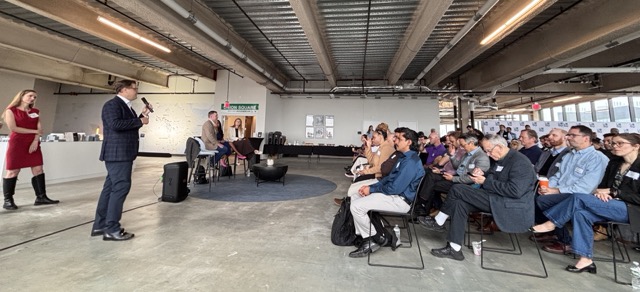
Boston AI Week brought together a panel of biotech and healthcare investors for a morning conversation on fundraising, portfolio strategy, and how AI is actually being used in life sciences right now.
Reach Out Early
One of the clearest pieces of advice from the panel: don’t wait until you feel “ready” to talk to investors. Firms that typically invest at Series A remain genuinely interested in meeting founders at pre-seed, because those early relationships shape later decisions. It’s reasonable to reach out and say, plainly, that it may be early — but you’d like to share what you’re building and understand what the investor would want to see before they’d be ready to write a check.
As one panelist put it, borrowing a well-worn line: if you want advice, ask for money — and if you want money, ask for advice. The value in those early conversations isn’t the pitch itself. It’s what you learn about how a fund actually makes decisions, where their past bets went wrong, and which doors are quietly closed versus just slow to open.
Investor Updates Are Underused
A data point that stuck with me: across the hundreds of startups one panelist’s team works with, only about 10% send regular investor updates — despite near-universal demand for them. In informal conversations with investor friends, the answer is close to unanimous: yes, they want the updates, even if they only skim them in the moment and come back later.
The advice was simple. Keep the bar low enough that it’s sustainable, and just be consistent. The payoff is a track record investors can point to — showing priorities, conviction, and follow-through — long before a formal raise ever starts.
Where Fundraising Stands Heading Into 2027
The mood on the macro environment was cautiously optimistic. Liquidity from exits has started coming back, which matters for seed and pre-seed founders specifically, since that capital eventually recycles into new funds. After a period of consolidation — fewer, larger rounds going to fewer companies — there are early signs of generalist investors re-entering the space.
At the deal level, though, the bar has risen. More bridge rounds are getting unlocked by a specific data readout or regulatory milestone rather than by time simply passing. FDA-related regulatory risk is shaping deal timing more than it used to. And a number of companies are getting stuck between Phase 1 and Phase 2, needing more capital than they originally raised to close that gap. For AI-enabled health tech specifically, investors are past being impressed that a company uses AI at all — the question now is whether it’s a real efficiency or cost replacement for customers, not just a feature.
AI, Beyond the Buzzword
Given the setting, the panel spent real time distinguishing internal efficiency from genuine product differentiation.
Internal use was the easy case — note-taking, engineering workflows, general operations are now widely AI-assisted across portfolios. One panelist noted, half as a warning, that AI-generated pitch decks have become noticeable enough to actively hurt a founder’s credibility rather than help it.
The more interesting examples were product-level. A mental health care company for young people is using AI in its caregiver recruitment process, specifically to help identify empathy — long identified as the most important trait in its staff. Another portfolio company uses AI-assisted coaching that follows up on prior interventions with patients over time. Others are using it for patient-clinician matching with cultural competency built in, and for donor-recipient alignment in fertility care.
One panelist offered a more skeptical read on drug discovery specifically: AI’s speed advantage there is increasingly table stakes rather than a differentiator, unless a company has genuinely proprietary data behind its models. The more interesting unmet need, in their view, is the clinical trial and regulatory side — still slow, still old-school, with AI mostly speeding up the paperwork rather than changing the process.
Show Up, Stay in Touch
The closing note was on community, and it was my favorite part of the morning. Boston’s density as a biotech hub was framed as a real advantage, especially for founders new to the ecosystem. The advice: lean on people further along in their journey, favor smaller niche conferences over the big general ones — the value is often the attendee list and the hallway conversations, not the sessions — and reconnect with old contacts, because opportunity tends to come from people you already know rather than people you’re meeting for the first time.
The line that summed it up: it’s not just who you know, it’s who knows you — and what they say about you when you’re not in the room.