Bioluminiscent imaging

Hair

Bio-luminescent imaging

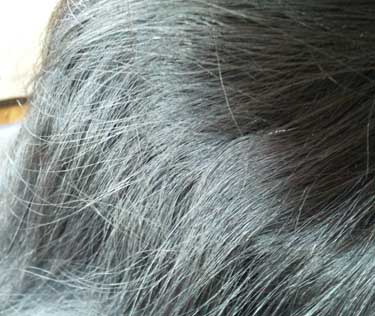
Hair growth has been on ongoing research topic It is thought that stem cells can regenerate hair follicles when injected into animals and humans. However, this process has not been imaged very clearly. A group of scientists from Kyungpook National University School of Medicine, Daegu, Republic of Korea have used bioluminescent imaging to track injected stem cells and determine whether the stem cells become hair follicles.


Bio-luminescent imaging uses luciferase with luciferin to determine the location of cells. It has also been used with other methods to determine the presence of a gene, reporter molecule or enzyme activity.

https://news.ncsu.edu/2012/06/wms-ivanisevic-eye/

Similar Posts

  • Gigapixel camera

    David Brady of Duke University published a paper in Nature in 2012 (Brady DJ, Nature 486, 386) on 50 Gigapixel camera. The technology was interesting in that it used small camera’s that were coupled through a big lens. This may be a good strategy to make large cameras rather than depend on major lenses and…

  • Cell thickness measurement

    Cell change shape frequently as they move and divide but the measurement of the thickness is difficult. Current microscopy techniques can measure the dimensions in X and Y axis very accurately but cannot measure the cell thickness. Confocal microscopy, that is usually used with fluorescence dyes can measure the thickness of the cell but it…

  • Imaging through rain.

    Start with the application: A set of headlights that can enable the driver to see through the falling rain. Typically, it is difficult to see through rain because water droplets reflect the light that is reflected back from the water droplet. However, rain is not constant and it should be possible to time the light…