Squid camouflage

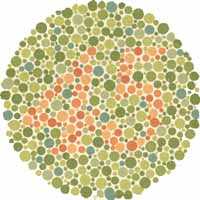
colorblind test

Distributed light sensing

Squid can really hide well in their environment. It is important for their survival since they have minimal active defenses but how is it important to us? Office of Naval Research thought that it was important enough to grant a $ 6 million grant to Roger Hanlon of Woods Hole Marine Biological Laboratory to investigate the phenomenon.

The goal of the study is to understand mechanisms by which squid can evade recognition is shallow marine habitats but probably the eventual goal is to make materials that adaptively respond to the environment.

For now, there has been significant work done to record pictures and videos of Cephalopods, analyze them through MATLAB routines to understand how the squid respond. There has been a good analysis of in-situ radiance of hidden cuttlefish and hyper spectral imaging of the fish. Interestingly, since it is difficult to measure the effectiveness of camouflage vs. getting eaten by their enemies, they used human response of cephalopod images as a substitute for effectiveness of camouflage (called crypsis). This begs the question, human may be more evolved but are their eyes and responses even close to other fish ?

A report can be found on the Office of Naval research site (http://www.onr.navy.mil/) and search for squid skin sensor but for fascinating video’s look up Roger Hanlon website: (http://hermes.mbl.edu/mrc/hanlon/).

Note: This website might need updating

Similar Posts

  • L-theanine

    It is surprising how much chemistry goes into understanding basic biology. Considering a simple cup of tea. There have been many studies showing the important bioactive compounds in tea. Catechins are polyphenols that got significant attention for their anti-oxidant activities. Then there is caffeine. But another component L-theanine has not been discussed much. L-theanine is…

  • | |

    TDP43

    TDP43 (a nuclear DNA-RNA binding protein) is involved in splicing, RNA transport and stability in neurons. It was first identified as a pyrimidine rich TAR DNA sequence in HIV type 1 gene to modulate HIV gene expression. In 95% of the ALS patients, TDP43 is abnormal located within the cell and may also be aggregated,…

  • Neurodegenerative Disease (ALS) Etiology hypothesis

    A classic case of etiology of disease is the incidence of ALS like symptoms in Guam among the local residents called Chamarro. During the Japanese occupation they were very malnourished and had diseases caused by malnutrition. In addition, they were forced to eat Cycad seeds which are toxic if not treated, but it is possible…

  • Open source goodies

    Open source text search engine There are many technologies available that get slightly better packaged and then sold commercially. Often times the technologies are so superb and crowd sourced so well that it is surprising that many people do not consider it as a valid strategy for their laboratories or companies. Take the example of…

  • |

    Virtual cell

    Hani Goodrazi – Arc institute has been working on virtual cell. Drugs fail due to overfit experimental models, You need screen drugs with better models of human biology. Geneva is platfrom that brings tumor models into perturbation model – that is a transcriptomics assay that deconvolves into effect. Take multiple cell line and then treat…