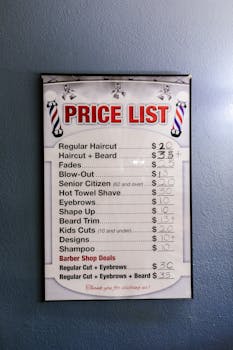
Pricing is an important factor of all business. Every business tries to make a decision on how best to set its prices and there are so many variables that the company must consider to make a decision. Consider a few approaches.
The simplest approach is adding a profit factor to the cost and using that as the price. For example CostPlus a pharmacy (https://www.costplusdrugs.com/) makes it clear that they add their profit margin on the basic cost and make it transparent. This is the simple model that is fast and straight forward. Even if the customer can and is willing to pay more, the customer is usually ignored. The pricing is set by the manufacturer or the company.
Competitive pricing: The price is set by what a similar company or manufacturer is charging. This can match the competition’s price or can be competitive with them to get a market share. This generally is good for areas. In this usually the customer is mostly ignored though indirectly if the competition lowers the prices to get more customers because it is consider a better value, then others will also jump in. This model is usually practiced in the grocery aisle’s where the margin’s are low and competitor’s try to match each other’s pricing.
High price introduction: These are high prices that are set to show the advantage of the new product. Usually this is to derive as much profit from the market as possible in the early days of the new product. However, once the product becomes comparable to others then the manufacturer will need to adjust the price to match competition and when the novelty is lost. This also is challenging because a follow-on next product will need that the previous product be lowered in price. These strategies are seen more with the new electronics industry think purchase of a new model of a TV.
Low price introduction: In contrast to high price introduction, the manufacturer will lower the price on introduction to penetrate the market. The goal is the have an attractive price that will get the customer’s interest. Later the price is usually adjusted. This is more strategic pricing rather than a profit pricing. There is a clear goal of market penetration. And if this is not achieved then the purpose is not served.
Value pricing: This is very customer centric and sets pricing about what the customer is willing to bear. This can generate higher revenues and sometimes higher profit. In general, entrepreneur’s need to consider this as a central strategy. There are various interpretations of this model. Consider Levi’s jeans. Their value is what the customer thinks about the brand value of their denim product but then to expand the market, they have adopted a multi-level pricing strategy that has 3 products. Good products, great products and premium products. This strategy starts with value pricing and then expands to what the rich customer consider a value product that maximizes the brand. https://www.apexfashionlab.com/blog/levi-s-ceo-michelle-gass-redefining-denim-s-future
Different pricing models work in different industries but playing with different models in the same industry can be beneficial.