Disease

  • | |

    Heart rate variability

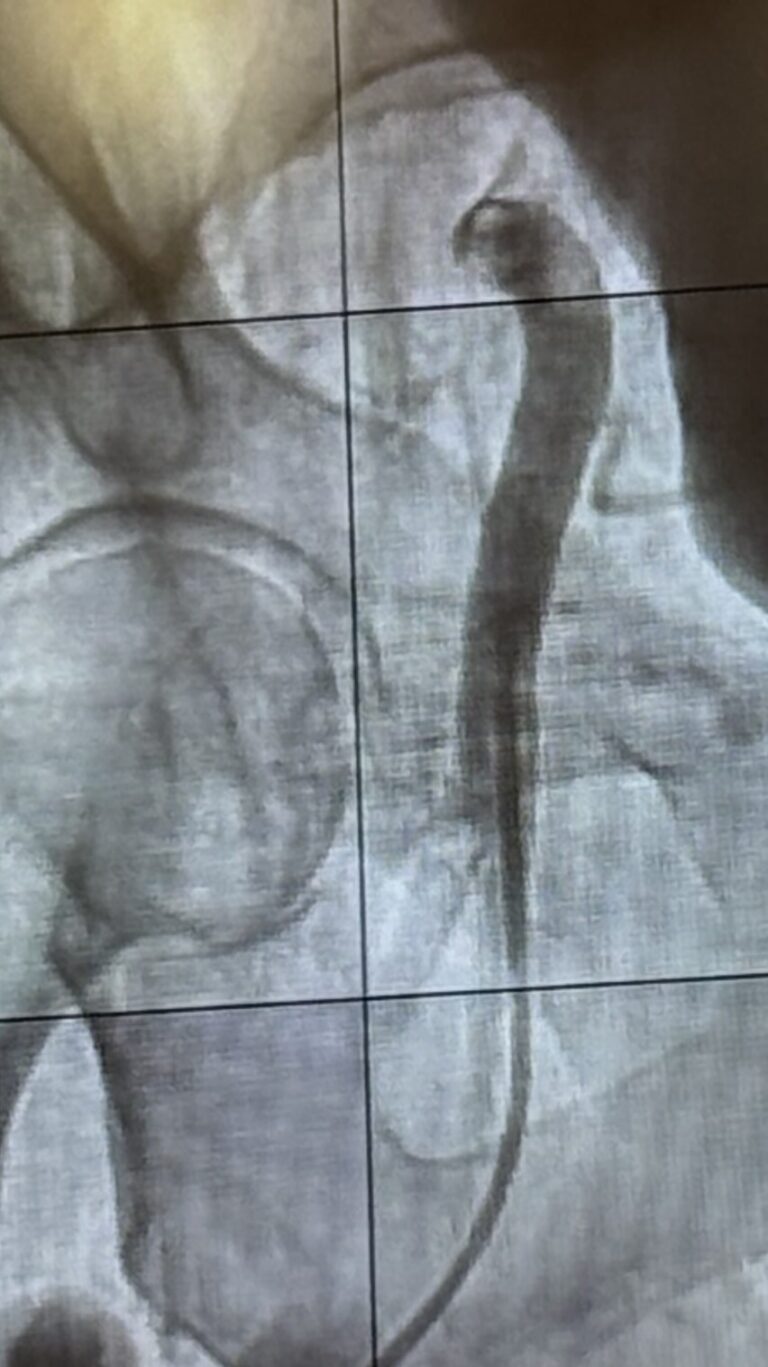
    By definition, heart rate variability is the time between each heart beat. This is called the R-R interval and shows the beat modulation of the sino-atrial node whose time variation is controlled by the autonomic nervous system. This matters because sympathetic (fight or flight) or parasympathetic (rest and digest) activity governs cardiac dynamics. A higher…

  • |

    Default mode network

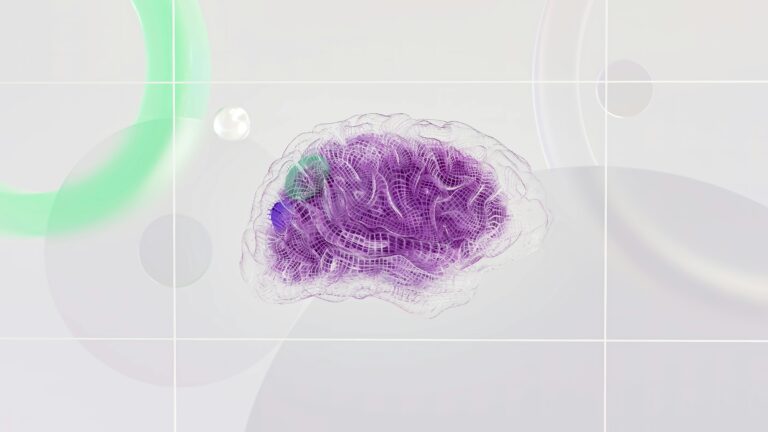
    When we are not focused on a task, mind-wandering or just idling, specific regions of the brain such as medial pre frontal cortex, angular gyrus, hippocampus become activated and are called the default mode network. This is thought to be important for self referential thought, memory and future planning. It has been mapped with resting…

  • Tau

    There is so much known about the Tau protein but we still have a lot to understand about its role in diseases. In disorders where Tau is the major protein that is involved – the primary taupathies – such as Pick’s disease and Progressive supranuclear palsy, it is clear that Tau has a major effect…

  • |

    Alzhiemer’s psychosis

    Alzheimer’s psychosis is distinct from the slow progression of Alzheimer’s and indicates a more severe phenotype in which cognitive decline starts even before psychosis onset. It is thought to originate/localized in neocortex rather than medial temporal lobe. There is currently only one drug that targets Alzheimer’s psychosis. It is called Rexulti (Brexipipazole). It is specifically…

  • |

    Etoposide – from plants and back to plants

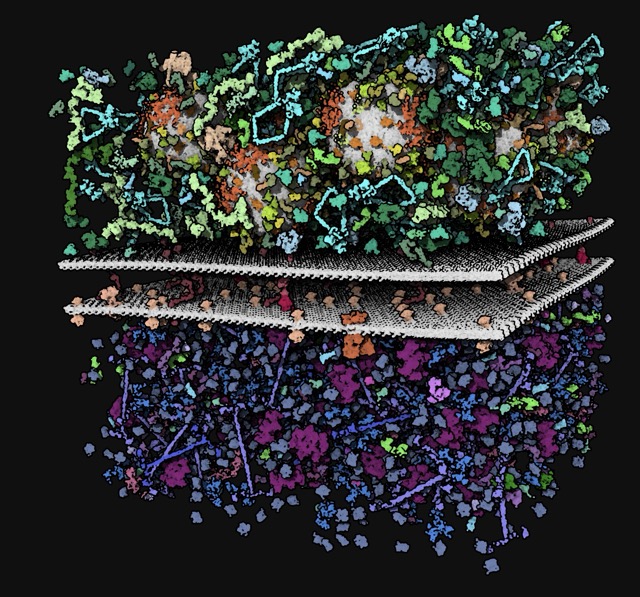
    Etoposide : This is used in chemotherapy to prevent cell division and works by causing mutation in the dividing cell since cancer cells divide more rapidly than a normal cell. It works by binding to the DNA-Topoisomerase complex which causes transient double stranded breaks to help uncoil DNA during cell division. In normal cells, the…

  • |

    Muscarinic drugs and receptors

    There are many G-protein coupled receptors and one of the major categories for neurological drug development are called muscarinic receptors because they were first known to be activated by a mushroom alkaloid called muscarine. The isolation and characterization of muscarine was first reported by chemists in 1869! Muscarine works by mimicking the neurotransmitter acteylcholine on…

  • Pharmacologically active constituents in plants

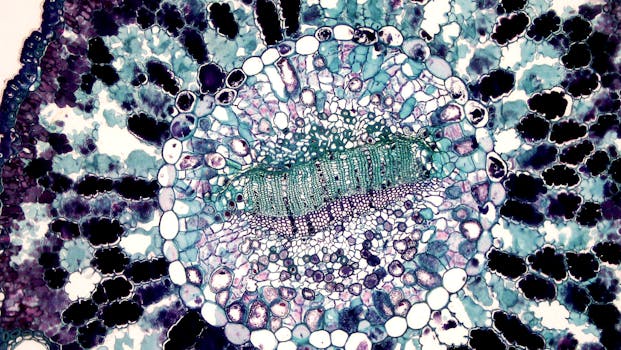
    There are many compounds in plants that are active in animals and humans. In broad category, all of these compounds listed below are listed. But, lets take it one at a time. Proanthocyanidins Cyanogenic glycosides Polysaccharides Glucosinolates Bitters Alkaloids Coumarins Saponins Phenols Volatile oils Flavonoids Tannins Anthraquinones Cardiac glycosides Proanthocyanidins: These molecules give the plants…

  • Foods and toxicity

    Humans have a fascination of eating food that has toxic components. One particular one that is unique to Jamaica and Africa is the Ackee fruit (Blighia sapida). The unripe food contains toxins called hypogylcin A & B. This is present mainly in the seed and the skin of the fruit but if consumed then it…

  • Sweet Tamarind

    When you eat tamarind, it is normally very sour – which is great because it is used to add sourness and flavor to many cuisines. However, sweet Tamarind is difference species which is sweet. This only happens when the fruit is allowed to ripen on the tree before harvesting. This changes the flavor significantly..and is…

  • |

    Phages as antibacterial

    Bacteriophages are viruses that attack bacteria killing them. They are inanimate and can be considered dead till they infect the bacteria where they multiply. Phages were approved by the FDA in 2006 for their application in food to control Listeria infections. Link to paper: https://www.gastrojournal.org/article/S0016-5085%2806%2902235-9/fulltext This has continued for sometime, since multiple strains can be…