
Dr Dharmendra Modha’s group at IBM has been simulating the whole brain one cell at a time. They started with cat brain simulation and have almost reached the whole brain simulation except it runs about 1542 times slower. This is a simulation of nearly 1.6 billion virtual neurons and 9 trillion synapses. The power consumption is surprisingly low and tells us that it is possible to simulate the human brain and hopefully, understand the human brain. Look at the website below to find out more…
Similar Posts
Separating signal from the noise
Most analysis whether they are analyzing data from a clinical trial or whether they are trying to analyze images. Similarly, analysis of data requires separation of noise from the signal. In imaging one of the newer techniques of segmenting images is called Multicut. This is best explained in an article that was written for the…
Electronic lab notebook (ELN) comparison
The lab is an important place where discoveries are made, whether the lab is virtual or whether the lab is a physical space where experiments are conducted. It is also a place where the data is acquired, compared and finally conclusions drawn to make the discoveries possible. One feature that is common to most labs…
Walmart : Data mining in retail
Walmart as is well known is a big retailer, not just big but massive. They have been a big retailer since a long time and have been processing large data before the term “Big data existed”. The interesting feature about them is that they are about the biggest retailer with a net turnover of $450…
Neural network analysis of human hand for cholesterol
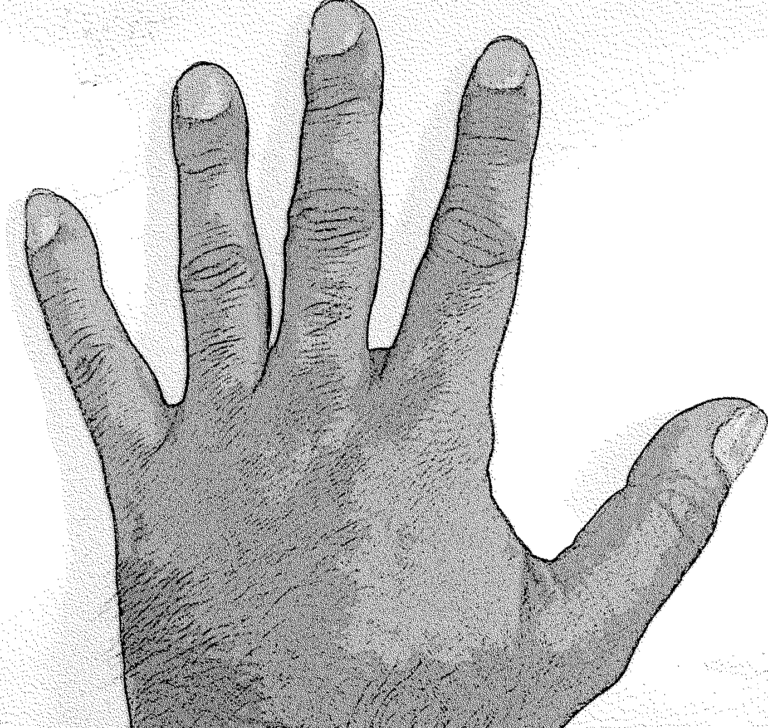
Dr N R Shanker, a researcher at Sree Sastha Institute of Engineering and Technology, India has developed an artificial neural network that can analyze the photo of an hand and determine the cholesterol content. The technique that was used was standard neural network analysis. Create a training set with pictures of the hand and cholesterol…
Culturomics and Computational Lexicology data mining techniques.
Computational lexicology methods try to understand human behavior, cultural norms through analysis of texts. These methods try to enlist the usage of words through the years and conclude what has changed in human behavior over the years. There have been various studies done, one in particular in which Harvard scientists showed that nearly 50% of…
McGurk effect – you actually hear only what you see or want to hear!
The video below explains it all. But essentially our perception is dependent on what we see. Wonder how many of these effects exist without us realizing it {youtube}FefFfvriAwQ{/youtube}
